CareAnywhere 2026: The NHS Virtual Care Strategy Conference
Book tickets
CareAnywhere 2026: The NHS Virtual Care Strategy Conference
All Convenzis Events Provide 8 CPD Points Per Delegate
Take part in our conference prize draw by visiting all stands and scanning your lanyard at each for a chance to win £100 voucher.
Sponsors & Partners









From Digitally Enabled Pathways to Hospital-Level Care Beyond Traditional Settings
Current Landscape and Challenges
The NHS is entering a new phase of digitally enabled care, moving beyond individual remote monitoring services towards fully integrated virtual hospital models.
Virtual hospitals bring together acute specialists, community services, primary care, remote diagnostics, digital platforms and multidisciplinary teams to deliver coordinated hospital-level care beyond traditional hospital settings.
These models have the potential to improve patient flow, reduce avoidable admissions, support earlier discharge and provide patients with more personalised care closer to home.
However, creating a sustainable virtual hospital requires more than technology alone. NHS organisations must redesign clinical pathways, establish clear governance arrangements, integrate data across multiple systems and develop workforce models capable of supporting care across physical and digital environments.
The challenge now is to move from isolated digital services to coordinated virtual hospital systems that are clinically safe, operationally sustainable and embedded within everyday NHS delivery.
Summit Focus
CareAnywhere 2026 brings together NHS leaders responsible for developing virtual hospitals, hospital-at-home services, remote clinical pathways and digitally enabled models of care.
The conference will focus on the practical delivery of virtual hospital services, exploring how NHS organisations can bring together clinical teams, digital infrastructure, community services and operational pathways into one coordinated model.
Delegates will hear directly from NHS teams implementing new approaches to remote care, early supported discharge, specialist monitoring and hospital-level treatment outside traditional clinical environments.
Through NHS case studies, skill clinics, deep-dive sessions and peer-led discussion, the programme will examine the frameworks required to design, govern, scale and evaluate virtual hospitals successfully.
Learning Outcomes and Key Takeaways
Delegates will gain practical insight into:
- Designing integrated virtual hospital pathways across acute, community, primary care and home settings.
- Moving from individual remote monitoring programmes to coordinated virtual hospital services.
- Establishing safe clinical governance, accountability and escalation frameworks.
- Integrating remote monitoring platforms with EPRs, shared care records and community systems.
- Developing multidisciplinary workforce models for hybrid and remote care delivery.
- Identifying appropriate patient cohorts for hospital-level care outside traditional settings.
- Measuring the impact of virtual hospitals on admissions, discharge, capacity, productivity and patient outcomes.
- Ensuring digitally enabled care remains inclusive, accessible and patient-centred.
- Building sustainable operating and funding models for long-term delivery.
---
Why Attend?
- Earn 8 CPD points.
- Learn from NHS leaders developing and delivering virtual hospital services.
- Explore practical models for hospital-at-home care and remote clinical delivery.
- Understand how to connect acute, community and primary care pathways.
- Gain insight into governance, workforce, interoperability and clinical safety.
- Examine how virtual hospitals can improve patient flow and hospital capacity.
- Take away practical frameworks and service-design approaches for local implementation.
- Build relationships with NHS colleagues facing similar operational challenges.
- Help shape the next stage of digitally enabled NHS care.
---
Key Challenges
The conference will address the practical challenges NHS organisations face when developing virtual hospitals, including:
- Creating joined-up clinical pathways across organisational boundaries.
- Integrating remote monitoring data into existing clinical systems.
- Establishing clear clinical ownership and accountability.
- Designing safe escalation and emergency-response processes.
- Coordinating multidisciplinary teams across hospital, community and home settings.
- Supporting higher-acuity and more complex patients remotely.
- Developing workforce confidence in hybrid care environments.
- Demonstrating measurable clinical and operational outcomes.
- Securing sustainable funding beyond short-term transformation programmes.
- Addressing digital exclusion and unequal access to technology-enabled care.
- Maintaining patient choice, experience and confidence.
- Ensuring cybersecurity, data protection and clinical safety.
Relevance for Sponsors and Partners
CareAnywhere 2026 provides a highly targeted platform for organisations supporting the development and delivery of virtual hospitals across the NHS.
The conference will bring together senior NHS leaders, clinicians, digital teams, transformation managers and operational decision-makers responsible for redesigning care pathways and investing in digitally enabled services.
Sponsors and partners will be able to demonstrate how their solutions support:
- Virtual hospital platforms and remote care infrastructure.
- Remote patient monitoring and connected diagnostic technologies.
- Digital care coordination, workflow and clinical escalation.
- EPR integration, interoperability and shared data exchange.
- Artificial intelligence, automation and clinical decision support.
- Population health management, risk stratification and patient identification.
- Real-time operational dashboards and outcomes measurement.
- Patient engagement, communication and self-management.
- Virtual multidisciplinary team working.
- Workforce planning, scheduling and hybrid service delivery.
- Cybersecurity, information governance and clinical safety.
- Service redesign, implementation, training and transformation support.
---
Through speaking opportunities, exhibitions, case studies and structured networking, commercial partners can align their expertise directly with NHS priorities around hospital capacity, admission avoidance, earlier discharge, integrated care and digital transformation.
Your Pass Includes....
- This conference is CPD accredited. Attendees will be eligible to gain 8 CPD points upon completion of the event
- Access to a leading conference speaker programme
- Interactive Q&A sessions
- Leadership Lessons from the Front Line
- Cross-sector best practice
- Meet the supplier opportunities
- Hot breakfast & Lunch included
Tickets For NHS Senior Managers
We have an invite only option for NHS Senior Managers for our conference, to see if you qualify for a complimentary place please click the button below.

Conference Speakers
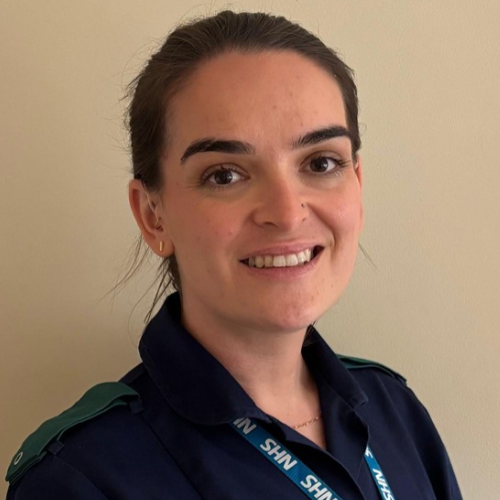
Amy
Wright
Matron - Virtual Clinical Care Team
Northamptonshire Healthcare NHS Foundation Trust
Read biography
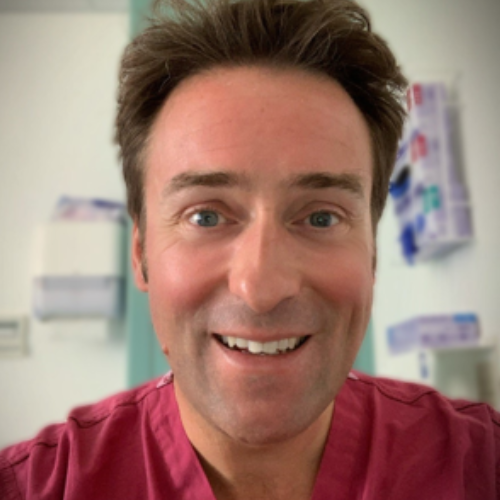
David
Cruttenden-Wood
Clinical Director Of Virtual Healthcare HHFT. Acute, General & Colorectal Surgeon. NHS England Regional Clinical Advisor (UEC)
Hampshire Hospitals NHS Foundation Trust (HHFT)
Read biography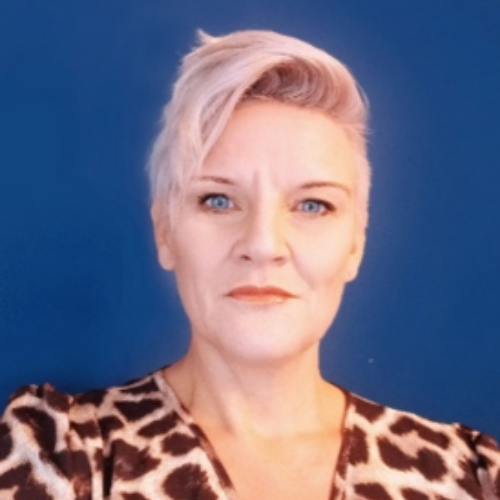
Dee
Lowry
Assistant Director Value & Efficiency
Cwm Taf Morgannwg University Health Board, Wales NHS
Read biography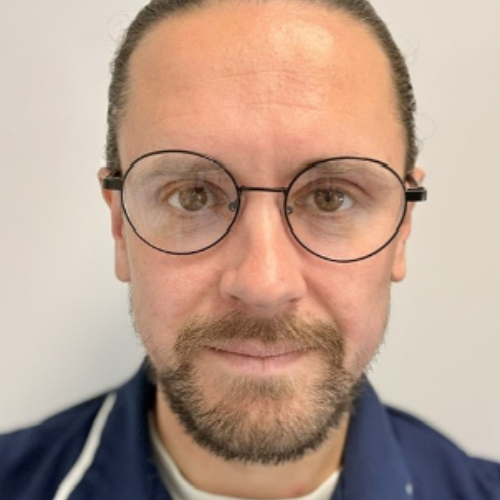


Gurnak Singh
Dosanjh
GP and ICB Deputy Chief Clinical Information Officer
Leicester, Leicestershire and Rutland ICB
Read biography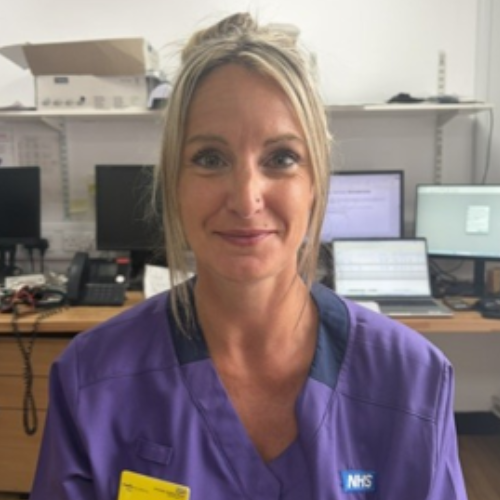


Rachel
Williams
Associate Chief Operating Officer
South Warwickshire University Foundation Trust
Read biography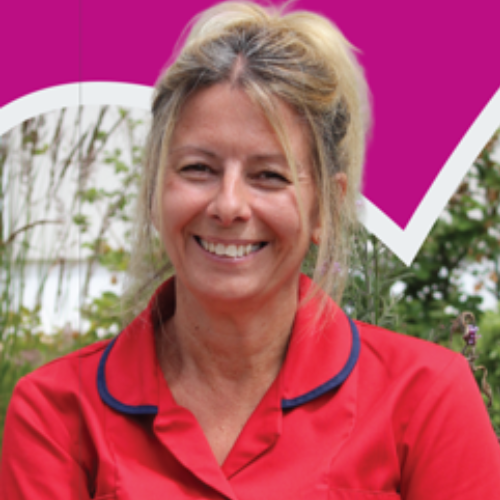
Rebecca
Housley
Consultant Nurse of the Virtual Healthcare HHFT
Hampshire Hospitals NHS Foundation Trust (HHFT)
Read biography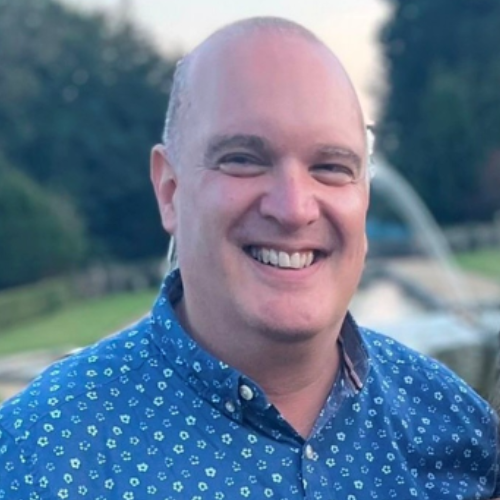


Sophie
Edwards
Consultant Geriatrician, Lead for Camden Hospital@Home and NCL SPOA
CNWL
Read biography
Tom
Bartlett
Consultant Geriatrician, Dorset Clinical lead for Hospital at Home
University Hospitals Dorset and Dorset Healthcare
Read biographyThe programme
Registration & Networking
Registration - Open from 8:20 am - Closes at 11:00 am
All delegates must complete their registration process before the 11:00 AM cut-off time. Please arrive in a timely manner to allow for registration and to avoid any inconvenience. Delegates who arrive after the registration deadline will be refused entry to the event.
We appreciate your cooperation in helping us maintain the event's schedule and ensuring that everyone can fully participate in the conference. If you have any questions or require assistance, our event staff will be available to assist you with the registration process.
Thank you for your understanding, and we look forward to an insightful and productive event together!
Chair Opening Address
Take part in our conference prize draw by visiting all stands and scanning your lanyard at each for a chance to win £100 voucher. The draw will take place at the end of the final presentation.
Keynote Presentation - From Virtual Wards to Virtual Health Systems: Delivering the NHS 10-Year Vision for Digitally Enabled Care
Speaker:
Rebecca Dechaine | Digital Clinical Safety / Virtual Health, Sussex Community NHS Foundation Trust
Session Overview:
Exploring how virtual wards, remote monitoring and hospital-at-home models can evolve into connected, clinically safe and sustainable virtual health services.
Morning Skill Clinic - Designing Safe and Scalable Virtual Care Pathways
Session Overview:
A practical session covering patient selection, capacity, escalation, multidisciplinary working and the operational foundations needed to embed virtual care at scale.
Morning Break & Networking
Got a great question? Ask it during the session for a chance to win a voucher for the best audience question.
Case Study - Doccla
Case Study - Doccla
Doccla is a leading provider of virtual ward and remote patient monitoring services, supporting over 50 NHS organisations. Our comprehensive solution enhances clinical capacity, reduces hospital admissions, and improves patient outcomes. With CQC accreditation, seamless NHS system integration, and proven cost savings, Doccla offers a scalable, end-to-end service that optimises healthcare delivery.
Case Study - Ortus-iHealth
Case Study - Ortus-iHealth
Our mission is simple: to inform and reduce clinician decision making and workload, keep patients engaged and informed and to centralise health data to facilitate patient, condition and population wide data-driven decisions.
Our digital platform enables the digitisation of outpatient care pathways. Through one unified solution, healthcare professionals can deliver personalised and remote care, using digital consent tools, remote patient monitoring, configurable virtual wards, customisable pathway dashboards, PROMs, PREMS, and vitals measuring software. Ortus-iHealth patient-facing app empowers and enables patients
Scaling NHS Virtual Wards - From Surgery to Home-Based Monitoring
Session Overview:
In this interview session, we will discuss how Virtual Wards are being scaled across multiple specialties and integrated into everyday clinical practice. The conversation will explore the use of virtual wards within surgical pathways, where patients can have their procedure in the morning and be discharged home the same day with ongoing virtual ward support. The session will also examine the introduction of remote monitoring technologies, such as ECG devices that patients take home, enabling continuous clinical oversight from the comfort of their own homes. Through practical examples and insights, this interview will highlight how virtual wards are reshaping care delivery and improving patient experience across the NHS.
Case Study - From Reactive to Proactive: The Impact of remote monitoring for Care Homes in Northamptonshire
Case Study - Luscii
Session Overview:
Remote monitoring usually gets discussed in two settings: the acute virtual ward, and the patient at home managing a long-term condition. The care home is a third setting, and it rarely gets a mention, even though its residents are among the most likely to require a 999 call. Northamptonshire Healthcare’s Virtual Clinical Care Team does both. Alongside its community long-term condition pathways, it now monitors residents across 11 care homes using Graphnet Remote Monitoring powered by Luscii. Matron Amy Wright will take you through the journey: building the programme from RESTORE2, working with the care homes themselves to shape a question set that carers complete and sustain, training the teams, then continuously iterating the service to maximise engagement. Amy will share what has changed as a result, for care home staff, for the clinical team and for residents, plus what comes next!
Lunch & Networking
Got a great question? Ask it during the session for a chance to win a voucher for the best audience question.
Case Study - When care leaves the hospital: Is your network ready?
Case Study - WhiteSpider
Session Overview:
At CareAnywhere 2026, our message is simple: delivering the same standard of care everywhere depends on getting the digital foundations right.
Healthcare delivery is increasingly digital, relying on connected medical devices, applications, data and virtual services across hospitals, community settings and patients’ homes. As virtual care scales, the infrastructure supporting it must be secure, resilient and capable of connecting services reliably across organisational and physical boundaries.
Yet many healthcare networks were never designed for this model of care, leaving ageing technology, fragmented environments, limited visibility and infrastructure built around individual sites rather than joined-up pathways.
We will explore what needs to change, what good infrastructure for care anywhere looks like, and the design principles and technologies that support it, from secure access and segmentation to end-to-end visibility and resilience. Drawing on practical healthcare experience, we will show how stronger digital foundations can support safer, more scalable virtual care and a consistent patient experience, wherever care is delivered.
Same care, everywhere - built on the right foundations.
NHS Deep Dive - Exploring the Carbon Footprint of Virtual Wards in Hampshire Hospitals
Session Overview:
Virtual healthcare/Hospital-at-home has been rolled out at pace since COVID across Europe. We know patients enjoy being cared for closer to home.
We know system wide left shift is needed to provide healthcare fit for the future. However, we have not, until now considered the environment impact of changing the way we deliver care. Is it truly greener to provide virtual care away from hospital centric care?
What is the carbon impact of delivering virtual care? As the healthcare system becomes more digitally integrated, it is crucial to consider carbon emissions as part of the NHS's commitment to achieving Net Zero.
While digital healthcare may initially appear to have a lower carbon footprint, factors such as travel, and digital infrastructure need to be thoroughly evaluated to ensure a genuinely sustainable model of care.
We will present our research in collaborate with ‘NHS Greener’ examining the carbon impact associated with two virtual ward (VW) pathways (acute respiratory infection and frailty patients) in a large district general foundation hospital trust.
We also wanted to understand if a new carbon assessment toolkit was fit for purpose and whether other hospitals could easily replicate our work to assess their own carbon impact on their local services.
Key Discussion Areas:
- First study of its kind peer reviewed in the BMJ exploring carbon savings for patients cared for on a virtual ward.
- Collaboration with ‘NHSe greener’ to validate a national toolkit to truly understand the carbon hotspots for patients cared for in their home vs hospital.
- A virtual ward bed uses 4 times less carbon than a traditional inpatient bed, so helping the NHS achieve its net zero target by 2045.
Afternoon Networking
Got a great question? Ask it during the session for a chance to win a voucher for the best audience question.
Leadership Lessons from the Front Line - Virtual Care Collaboration
Session Overview:
An interactive session with our delegates to showcase how joint community and acute system- wide collaboration has worked within virtual care.
Chair Closing Remarks
The conference chair will now announce the winner of our conference prize draw. Thank you to everyone who visited all stands and scanned their lanyard to enter.
End of Day
Every attendee makes a difference. We’ll donate one tree for every delegate attending the conference to our partners over at Play it Green and £1 to our Charity of the Year, Stockport Without Abuse.

Book your tickets
Limited places
Limited places
Limited places