Clinical Diagnostics & Medical Sciences
GenomicsConnect 2026: The NHS Genomics & Clinical Integration Conference
Book ticketsStart
08:30 am
Finish
17:00 pm
Date
24 Sep, 2026
Location
etc.venues, Prospero House, 241 Borough High St, London, SE1 1GA
Plan your visit
GenomicsConnect 2026: The NHS Genomics & Clinical Integration Conference
FREE NHS TICKETS SOLD OUT!
If you work for the NHS and would still like to be considered for an NHS ticket, please email us at info@convenzis.co.uk. You will be added to a waiting list and we will be in touch should a place become available.
All Convenzis Events Provide 8 CPD Points Per Delegate
Delivered in partnership by Convenzis Group and Healthcare Innovation Consortium.
Take part in our conference prize draw by visiting all stands and scanning your lanyard at each for a chance to win £100 voucher.
Sponsors & Partners



Current Landscape and Challenges:
Genomics is rapidly transitioning from specialist research environments into routine NHS clinical care. Through the NHS Genomic Medicine Service, genomic testing is increasingly embedded across cancer pathways, rare disease diagnostics, pharmacogenomics and personalised treatment decision-making.
From April, the NHS moves into a new phase of delivery where genomic laboratories and the wider Genomic Medicine Service operate as a single integrated national model, designed to support genomic testing at scale across the health system.
However, while national infrastructure and testing capability have advanced significantly, many NHS organisations are now facing the practical challenge of integrating genomic medicine into everyday clinical workflows.
Key challenges include:
- Embedding genomic test ordering into existing EPR and clinical requesting systems.
- Ensuring genomic results are delivered into local systems in structured, clinically usable formats.
- Connecting genomic informatics platforms with hospital digital infrastructure.
- Supporting clinicians across specialties to confidently interpret genomic results.
- Establishing governance frameworks for genomic data sharing and decision support.
- Scaling genomic services without adding complexity to already stretched clinical teams.
As genomic testing becomes part of routine care pathways, success will depend not only on national infrastructure, but on how effectively genomic services integrate into frontline clinical delivery across the NHS.
Importance and Timeliness of the Event:
The NHS is entering a critical implementation phase for genomic medicine.
Over the next three years, the focus will shift from building genomic infrastructure toward making the unified Genomic Medicine Service fully operational across clinical pathways.
This means solving practical challenges around digital connectivity, test ordering, reporting, interpretation and workforce capability. Interoperability between genomic systems, laboratories and clinical environments will be essential to ensure genomic insights can be used safely and effectively in patient care.
At the same time, clinicians across specialties are increasingly expected to incorporate genomic insights into diagnosis, treatment selection and personalised care planning.
This conference provides a focused forum for NHS leaders to explore how genomic medicine is being operationalised today, sharing real-world lessons from national programmes, genomic service leaders and NHS organisations integrating genomics into routine care.
Summit Focus:
GenomicsConnect 2026 is a skills-led summit focused on the operational delivery of genomic medicine across the NHS.
The programme concentrates on the practical challenges organisations face as genomics becomes embedded in mainstream healthcare, including:
- Integrating genomic test ordering into clinical systems and care pathways.
- Connecting genomic informatics infrastructure with local EPR environments.
- Delivering genomic results into clinician workflows in usable formats.
- Developing workforce capability for genomic interpretation and application.
- Ensuring governance, safety and data standards support genomic medicine at scale.
- Aligning national genomic programmes with local NHS delivery.
Sessions combine national strategic insight with practical implementation experiences from NHS genomic programme leaders, digital architects, clinicians and service transformation leads.
Key Themes:
- Operationalising the Unified NHS Genomic Medicine Service: Understanding how the NHS genomic model is evolving and what organisations need to prepare for as genomics becomes embedded across clinical services.
- Genomics Informatics and Interoperability: Exploring how genomic systems must connect with EPR platforms, laboratory systems and clinical workflows to enable safe and scalable genomic medicine.
- Genomic Order Management and Electronic Requesting: Practical insight into implementing genomic test ordering and result delivery within routine clinical systems.
- Using Genomic Insights in Clinical Practice: Supporting clinicians to interpret and apply genomic information within diagnostics, treatment planning and personalised care.
- Workforce Capability and Education: Preparing the NHS workforce for the increasing role genomics will play in everyday healthcare.
- Governance, Data Standards and Clinical Safety: Ensuring genomic data sharing and interpretation are underpinned by strong governance and national standards.
Conference Speakers

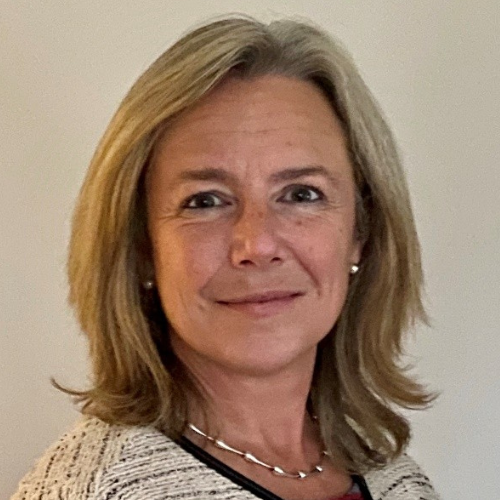
Deborah
Porter
Deputy Director Genomics Service Transformation
Genomics Unit, NHS England
Read biography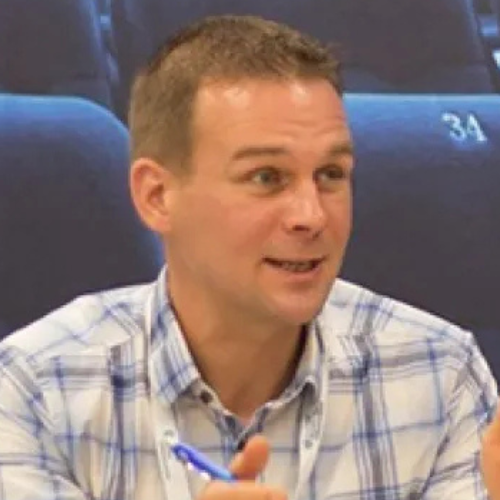
Dr John
Thomson
National Associated Clinical Director, CfSD.
Centre for Sustainable Delivery. NHS Scotland
Read biography
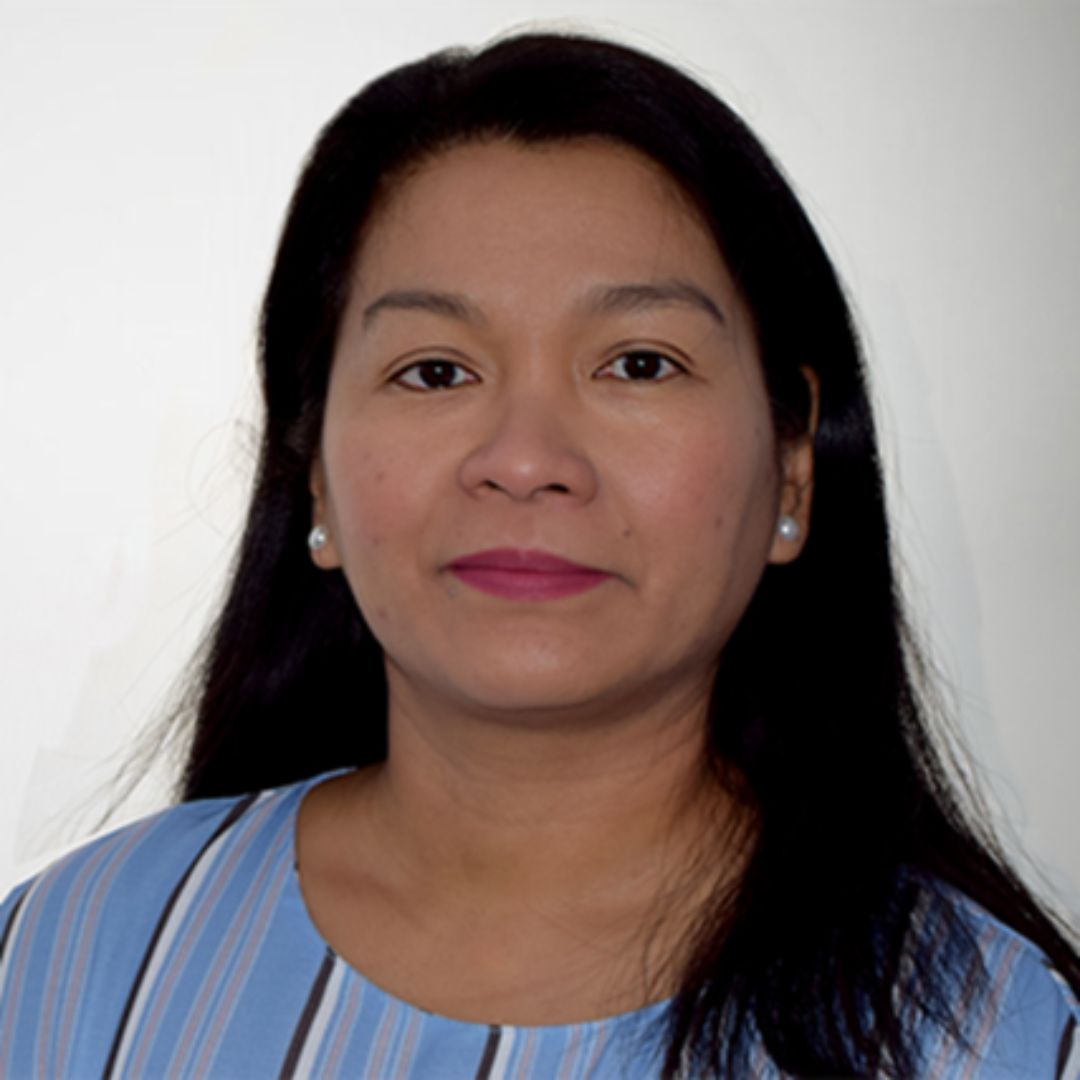
Dr Tootie
Bueser
Director for Nursing & Midwifery, South East Genomic Medicine Service &
NIHR Senior Clinical Practitioner Researcher, King's College London
Read biography

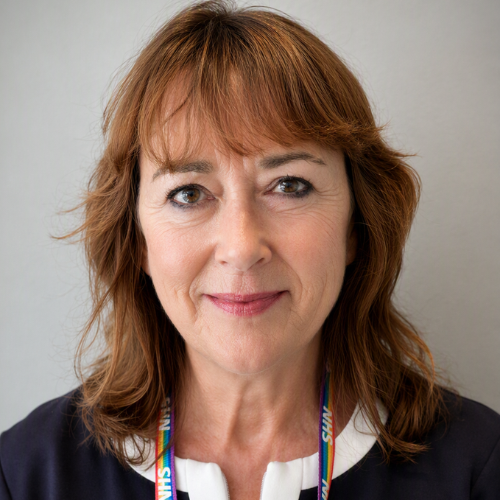
Lisa
Sewell
Chair of Data and Digital Genomic Network
North East and Yorkshire Genomic Medicine Service
Read biography

Paul
Westwood
Consultant Clinical Scientist, Head of NHS GGC Laboratory Genetics Service
and Chair of the Data and Digital Group for the Scottish Strategic Network for Genomic Medicine
Read biography
Rhian
White
Consultant Clinical Scientist, Laboratory Director All Wales Medical Genomics Service
All Wales Medical Genomics Service
Read biography
Shane
McKee
Consultant Clinical Geneticist, NI Regional Genetics Service
Belfast HSC Trust
Read biography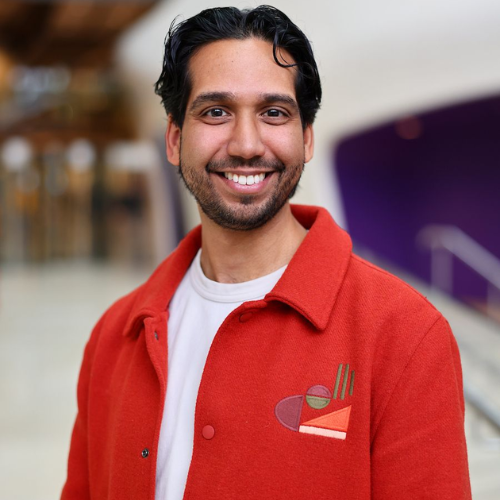
The programme
08:20
Registration & Networking
Registration - Open from 8:20 am - Closes at 11:00 am
All delegates must complete their registration process before the 11:00 AM cut-off time. Please arrive in a timely manner to allow for registration and to avoid any inconvenience. Delegates who arrive after the registration deadline will be refused entry to the event.
We appreciate your cooperation in helping us maintain the event's schedule and ensuring that everyone can fully participate in the conference. If you have any questions or require assistance, our event staff will be available to assist you with the registration process.
Thank you for your understanding, and we look forward to an insightful and productive event together!
08:25
09:30
Keynote Presentation - From Genomic Data to Clinical Action: Delivering the Unified Genomic Record Across the NHS
Session Overview:
As genomic medicine becomes part of everyday care, the NHS must ensure genomic information can move safely and meaningfully between laboratories, clinical systems and multidisciplinary teams.
This keynote will explore the role of data and digital infrastructure in enabling genomic medicine at scale, including the development of the Unified Genomic Record, the relationship between genomics and EPRs, and the standards, governance and interoperability required to make genomic insights accessible at the point of care.
Key themes:
- The strategic role of data and digital in genomic medicine.
- The Unified Genomic Record and its potential to support lifelong, patient-centred care.
- Connecting genomic laboratory systems, informatics platforms and local EPR environments.
- Making genomic results structured, shareable and clinically usable.
- Building the foundations for safe, scalable genomic medicine across the NHS.
09:50
Morning Skill Clinic - Building the Digital Foundations for Genomics Integration: Workflows, EPRs and Clinical Readiness
Session Overview:
This practical skill clinic will focus on the core foundations needed to embed genomics into routine NHS services. The session will explore how organisations can align clinical pathways, digital infrastructure and workforce capability to support genomic test ordering, result interpretation and informed clinical decision-making.
Key themes:
- Mapping where genomic testing fits within existing clinical pathways and EPR workflows.
- Preparing electronic requesting, order management and reporting systems for genomic care.
- Designing clinician-friendly access to genomic results and decision support.
- Establishing clear data flows between genomic laboratories, digital teams and frontline services.
- Reducing complexity for already stretched clinical teams.
- Building readiness for the wider adoption of genomic medicine.
10:35
Case Study - Finding Inherited Cancer Risk at Scale
Case Study - C the Signs
Session Overview:
C the Signs is helping shift cancer care from reactive diagnosis towards proactive, population-level detection across the NHS.
This session explores the next step: extending established cancer case-finding infrastructure further upstream to identify people at increased hereditary breast cancer risk.
Across multiple ICBs, C the Signs proactively searches primary care populations and invites eligible patients to complete a digital risk assessment, rather than relying on family history being identified during a consultation.
Detailed family history is captured and integrated with CANRISK to calculate breast cancer risk. Patients can then be navigated to the appropriate pathway, from reassurance and routine care to enhanced surveillance, clinical genetics, counselling and genetic testing.
The project demonstrates how technology already deployed at NHS scale can create a practical, scalable route into genomic and preventative services, identifying inherited risk earlier, before cancer develops.
10:55
Patient Voice session
A patient voice recording sharing their personal experiences, perspectives, and insights of their care journey.
11:00
Morning Break
Got a great question? Ask it during the session for a chance to win a voucher for the best audience question.
12:05
Leadership Interview Session - Four Nations Leadership Interview Session - Leading Genomics Transformation in Practice: Digital Change, Clinical Adoption and Service Delivery
Session Overview:
This leadership interview will explore the operational and cultural challenges of bringing genomic medicine into everyday NHS care.
Discussion will focus on how leaders can align clinical, genomic, digital and informatics teams; build confidence among clinicians; manage change across complex pathways; and ensure new systems genuinely improve care rather than add administrative burden.
Key themes:
- Leading change across clinical, diagnostic and digital boundaries.
- Building effective partnerships between genomic services, EPR teams and frontline clinicians.
- Supporting adoption of new digital workflows and decision-support tools.
- Creating confidence in the use, interpretation and sharing of genomic information.
- Lessons from delivering sustainable genomic transformation at scale.
12:45
NHS Deep Dive - Integrating Genomic Testing into Clinical Pathways: EPRs, Electronic Requesting and Practical Lessons for NHS Teams
Session Overview:
This NHS deep dive will explore how genomic testing can be embedded into existing clinical pathways without adding unnecessary complexity for clinicians or patients.
The session will focus on the practical steps required to support electronic test ordering, referral processes, result management, multidisciplinary working and the use of genomic insight within local EPR environments.
Key themes:
- Embedding genomic testing into routine clinical and EPR workflows.
- Improving electronic requesting, referral and order-management processes.
- Ensuring genomic results are delivered in clinically usable formats.
- Supporting multidisciplinary interpretation and decision-making.
- Connecting local delivery with national genomic infrastructure.
- Lessons for scaling genomic testing across specialties.
13:05
Patient Voice session
A patient voice recording sharing their personal experiences, perspectives, and insights of their care journey.
13:10
Lunch and Networking
Got a great question? Ask it during the session for a chance to win a voucher for the best audience question.
14:00
Fireside Chat - Universal challenges: Bridging the implementation gap
Session Overview:
Genomic research continues to advance rapidly, but translating innovation into meaningful clinical action remains a universal challenge. Drawing on his experience across clinical practice, research and innovation, Videha Sharma will explore how healthcare systems can close this implementation gap and ensure genomic discoveries deliver tangible benefits for patients.
The session will examine the importance of building interoperability into services by design, creating effective mechanisms for sharing best practice and moving successful innovations beyond isolated projects. It will consider what is required to embed genomic evidence into clinical decision-making and develop connected, scalable approaches that work across different organisations, specialties and care settings.
14:25
NHS Deep Dive - Preventing Newborn Hearing Loss Through Point-of-Care Pharmacogenetics
Session Overview:
This case study will explore how NHS Scotland and their ANIA (Accelerated National Innovation Adoption pathway) is using rapid pharmacogenetic testing to prevent avoidable hearing loss in newborn babies receiving gentamicin.
The session will examine how a simple bedside cheek swab can identify babies at genetic risk within around 26 minutes, enabling clinicians to make safer prescribing decisions without delaying urgent treatment.
It will explore the practical journey from innovation to national implementation, including the integration of genomic testing into time-critical neonatal pathways and the collaboration required to deliver change across NHS Scotland.
Key themes:
- Embedding pharmacogenetic testing into urgent neonatal care pathways.
- Using point-of-care testing to support safer, personalised prescribing.
- Integrating genomic insight into clinical decision-making without delaying treatment.
- Lessons from implementing a nationally coordinated pathway across NHS Scotland Health Boards.
- Bringing together clinicians, pharmacists, laboratory, genomics and digital teams to deliver change.
- The potential for this model to support wider adoption of personalised medicine.
14:45
Afternoon Skill Clinic -Afternoon Skill Clinic – Genomics Education and Training for Nurses and Midwives: Enabling Nurses to Mainstream Genomic Testing in Cardiology
Session Overview:
This practical skill clinic will explore how genomics education and training can build nurses’ confidence to integrate genomic testing into routine cardiology care.
The session will focus on workforce education, patient communication, genomic result interpretation and digital decision support, alongside the governance and practical considerations needed to embed genomics safely into everyday clinical practice.
Key themes:
- Building genomic literacy and confidence among nurses and midwives.
- Enabling nurses to identify and support appropriate genomic testing in cardiology.
- Communicating genomic testing, consent and results with patients and families.
- Using genomic insights and digital decision support in clinical practice.
- Embedding genomic testing safely and effectively into routine care pathways.
15:15
Patient Voice session
A patient voice recording sharing their personal experiences, perspectives, and insights of their care journey.
15:30
15:35
Tea, Coffee & Networking
Got a great question? Ask it during the session for a chance to win a voucher for the best audience question.
17:00
End of Day
Every attendee makes a difference. We’ll donate one tree for every delegate attending the conference to our partners over at Play it Green and £1 to our Charity of the Year, Stockport Without Abuse.
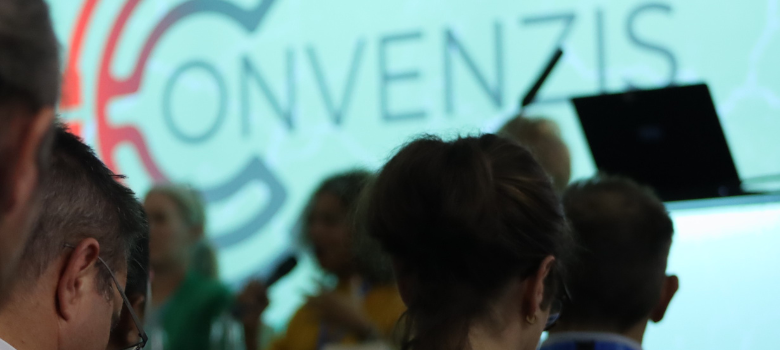 GenomicsConnect Conference Gallery