RiskReimagined 2026: The NHS Risk Management Conference
Book tickets
RiskReimagined 2026: The NHS Risk Management Conference
A Strategic Summit on Safety, Governance and Incident Learning
All Convenzis Events Provide 8 CPD Points Per Delegate
RiskReimagined 2026 is a practical NHS summit focused on how organisations are delivering safer care through stronger governance, improved incident learning, and better risk oversight. With national expectations now clear, the focus is on implementation, how systems are building capability and embedding safety in day-to-day operations.
Chaired by Helen Hughes (Patient Safety Learning), the day brings together NHS leaders and frontline teams to share what is working in practice.
Across the NHS, risk management is entering a critical transformation.
The Dash Review and wider reforms have shifted the focus from reactive compliance to proactive, system-wide risk management. The challenge now is consistency, embedding governance, learning, and accountability across organisations.
Annette Fogarty (South East London ICB) explores how board-level assurance is evolving, while Genevieve Hirst and Valerie Milton (North Middlesex University Hospital) demonstrate how clinicians are being engaged in governance at a frontline level.
Summit Focus:
This delivery-focused programme centres on real-world NHS implementation. Sessions include a PSIRF-led incident learning clinic featuring Dr Rosie Benneyworth (HSSIB), Megan Bidder (NHS Resolution), and Chris Elston (UHS). The agenda also covers Enterprise Risk Management with Sam McCartney (NHS Forth Valley), workforce capability insights from Ehsan Haqqani, and a session on Strengthening Estate Resilience featuring David Jones (University Hospital of Southampton NHS Foundation Trust), Aung Tun (St George’s University Hospitals NHS FT), and Nathan Charlish (Chesterfield Royal Hospital).
The day is grounded in practical delivery, from clinical engagement to estate resilience, with NHS case studies and partner insights from Concentric.ai, Zoll, and RLDatix.
This year’s event is structured around clear outcomes. Delegates will leave understanding:
- How to strengthen board-level oversight and accountability
- How to embed effective incident learning using PSIRF
- How to align risk across organisations through ERM
- How to engage frontline teams in governance and improvement
- How to build resilience across workforce and infrastructure
What’s New for 2026:
Greater focus on applied learning, including two dedicated Skill Clinics on incident learning and estate resilience, alongside NHS-led deep dives showing how change is being delivered in practice.
Why Attend:
A practical, implementation-focused summit for NHS leaders looking to strengthen governance, improve safety, and embed risk management. Learn directly from peers delivering change and leave with clear, actionable insight for local rollout.
Who Would Benefit:
Senior NHS leaders across ICSs, ICBs, and provider organisations responsible for safety, governance, and risk. Particularly relevant for Board members, Directors of Quality, Patient Safety Leads, and operational leaders driving improvement.
Sponsors & Partners



Your Pass Includes....
- This conference is CPD accredited. Attendees will be eligible to gain 8 CPD points upon completion of the event.
- Access to a leading conference speaker programme
- Interactive Q&A sessions
- Leadership Lessons from the Front Line
- Cross-sector best practice
- Meet the supplier opportunities
- Hot breakfast & Lunch included
- Access to post event drinks reception and Street food
Tickets For NHS Senior Managers
We have an invite only option for NHS Senior Managers for our conference, to see if you qualify for a complimentary place please click the button below.
Conference Speakers



David
Jones
Director of Estates, Facilities & Capital Development
University Hospital of Southampton NHS Foundation Trust
Read biography

Ehsan
Haqqani
Associate Director of Governance & Patient Safety
Wrightington, Wigan & Leigh NHS Teaching Hospitals Trust
Read biography







Sarah
Smith
Babies Children & Young People Risk & Governance Lead Nurse
Royal Free London NHS Foundation Trust - Working at the North Middlesex University Hospital
Read biography
The programme
Registration & Networking
Registration - Open from 8:20 am - Closes at 11:00 am
All delegates must complete their registration process before the 11:00 AM cut-off time. Please arrive in a timely manner to allow for registration and to avoid any inconvenience. Delegates who arrive after the registration deadline will be refused entry to the event.
We appreciate your cooperation in helping us maintain the event's schedule and ensuring that everyone can fully participate in the conference. If you have any questions or require assistance, our event staff will be available to assist you with the registration process.
Thank you for your understanding, and we look forward to an insightful and productive event together!
Keynote Presentation - From Reaction to Resilience How proactive risk management can unlock safety, quality and innovation in the NHS
Session Overview:
This session examines the abolition and consolidation of quangos, the clarification of safety roles, and the strengthening of board accountability in light of the NHS 10-Year Health Plan and the Dash Review. We will explore how to embed transparency and build proactive governance systems that reduce harm and strengthen patient safety.
Morning Skill Clinic - Building Incident Learning Cultures in the NHS
Morning Skill Clinic
This skills clinic explores how NHS teams can strengthen learning from incidents to improve safety, quality, and patient experience.
It focuses on creating a no-blame, psychologically safe culture where staff feel confident to report and speak up, alongside promoting openness with patients and families. Participants will learn how to turn insight into action, embedding continuous improvement into everyday practice rather than focusing on reporting alone.
The session highlights the importance of clear communication and staff engagement, ensuring learning is accessible, relevant, and applied in practice. It also introduces human factors, helping teams understand how workload, fatigue, and teamwork influence risk, and how safer systems can reduce avoidable harm and costs.
Case Study - AI is Breaking Data Security… And Fixing It: The New Reality of AI-Driven Risk and How to Stay Ahead
Case Study - Concentric.ai
Session Overview:
AI is rapidly becoming one of the biggest drivers of productivity and innovation in the enterprise and one of the fastest-growing sources of data security risk. As copilots, assistants, and public AI tools become integrated into daily work, sensitive data is flowing into systems that most security teams can’t fully see, understand, or control. The problem is that traditional data security controls were never built for this. In fact, many organizations were already struggling to operationalize data security before AI accelerated the challenge. The good news? AI isn’t just creating the problem it’s also enabling a smarter, more effective way to solve it.
In this session, attendees will learn:
- Why AI has become one of the fastest-growing and least visible sources of enterprise risk.
- How GenAI is creating new exposure points for sensitive data.
- Why legacy data security tools have failed to keep up and why AI is making those gaps harder to ignore.
- How context-aware, AI-driven data security can deliver more accurate visibility, stronger controls, and real-time enforcement.
- What organizations can do to enable AI innovation without expanding their risk surface Attendees will leave with a clearer understanding of how AI is reshaping data security and how they can use that same technology to gain control, minimize exposure, and support safer AI adoption across the business.
Case Study - Defibrillator Dashboard Impact Assessment
Case Study - Zoll
Session Overview:
Missed or incomplete daily defibrillator checks are a recognised challenge in busy hospital environments, carrying significant implications for patient safety. This presentation shares the findings of an impact assessment evaluating the ZOLL Defibrillator Dashboard, a real time ‘code readiness’ monitoring system implemented within a large UK hospital trust. Using a mixed method approach, the study analysed real world audit data, multiple organisational databases, and thematic insights from interviews with key stakeholders across medical engineering, nursing, and resuscitation services. The evaluation demonstrated that introduction of the Defibrillator Dashboard produced substantial efficiency gains, with an estimated 30 hours saved per defibrillator each year. Across a fleet of more than 500 devices, this represents over £300,000 in annual savings—equivalent to 7.5 WTE nursing posts. Critically, the system reduced the estimated probability of defibrillator readiness failure from 2% to <0.01%, while also improving the visibility of under reported equipment failures. These insights enabled targeted education and strengthened governance, demonstrating how readiness monitoring technology enhances safety, reliability, and operational effectiveness.
Leadership Lessons from the Front Line - Building Workforce Risk Capability: Leadership Skills and Governance for Safer Outcomes
Session Overview:
Building an integrated approach using risk management every day to understand and quantify the risks appropriately, ensure there are controls in place and ways to mitigate adverse outcomes.
Case Study - From Reactive Risk to Proactive Safety: Connecting Insight to Improve Patient Outcomes
Case Study - RLDatix
Discover how NHS organisations can use connected data, leading and lagging indicators, and workforce insight to move from reactive risk management to proactive safety.
Session Overview:
NHS organisations hold a wealth of safety and risk information across incidents, complaints and PALS, risks, audits, learning from deaths and workforce data. Yet this intelligence is often fragmented, reviewed in isolation, and used reactively.
This interactive panel brings together NHS leaders and RLDatix experts to explore how organisations can connect insight, align leading and lagging indicators, and assess organisational readiness to enable a more proactive, preventative approach to safety and risk management, ultimately improving patient outcomes.
Key Learnings / What Attendees Will Gain:
This session will explore the key challenges organisations face when moving from a reactive approach to organisational risk and safety towards a more proactive model.
The panel will cover:
-
Why organisations often remain reactive - The practical, cultural and structural barriers that make the shift to proactive safety difficult, including siloed data, assurance‑led reporting, and competing priorities.
-
The power of connected insight - How bringing together information from incidents, complaints and PALS, risks, audits, and learning from deaths provides a more complete view of organisational safety — including the patient and family voice.
-
From data to learning and improvement - How integrated insight supports thematic review, helping organisations identify patterns, anticipate emerging risks, and implement meaningful change to improve patient outcomes.
-
Predictable models of safety and indicators - The importance of aligning leading and lagging indicators to move beyond retrospective harm metrics and enable earlier identification and prevention of risk.
-
The workforce as a key safety signal - How workforce insight helps organisations understand pressure, capacity, engagement and potential risk, and how this fits into a predictable safety model.
-
Organisational readiness in practice What readiness looks like across: Digital and change readiness, Governance and assurance foundations, Executive and board ownership and Culture, learning and shared responsibility for safety.
NHS Deep Dive - Galvanising Clinical Governance: Sustainably engaging clinicians in continuous improvement
Session Overview:
Over the past two years, within the paediatric department at a busy London hospital, we have been working to strengthen our incident learning culture. This has included the introduction of clinical governance champions (resident doctors) alongside a lead nurse, both of which are now well established within the department.
We have also developed a clinical governance newsletter that shares learning from recent incidents and more detailed reviews relevant to our team. This has received excellent feedback as an engaging way to support clinicians in applying learning to practice. Most recently, we have created a Standard Operating Procedure (SOP) outlining these roles and how incident reporting and review processes can be optimally utilised—an approach that could be highly applicable across other NHS departments and hospitals.
NHS Deep Dive - Enterprise Risk Management
Session Overview:
This session provides a focused exploration of Enterprise Risk Management (ERM) within the NHS, offering an overarching view of how risk is identified, understood, and managed across the organisation. We will examine the strategic importance of ERM in supporting safe, high-quality patient care, as well as its role in organisational resilience, decision-making, and long-term planning. Participants will gain insight into how system-wide risks are interconnected, how they influence operational and clinical outcomes, and how a unified approach strengthens overall governance and accountability.
Afternoon Skill Clinic - Strengthening Estate Resilience: Maintaining Safe Care During Disruption
Afternoon Skill Clinic
This skills clinic focuses on strengthening estate infrastructure by identifying and addressing weaknesses in estates, equipment, and organisational preparedness. Participants will develop practical skills to recognise estate-related risks, understand critical dependencies, and improve resilience planning to ensure continuity of safe care during disruption. Through targeted discussion and scenario-based learning, the clinic supports teams to strengthen preparedness, clarify roles and escalation, and enhance business continuity plans so services can adapt quickly and maintain patient care when estate challenges arise.
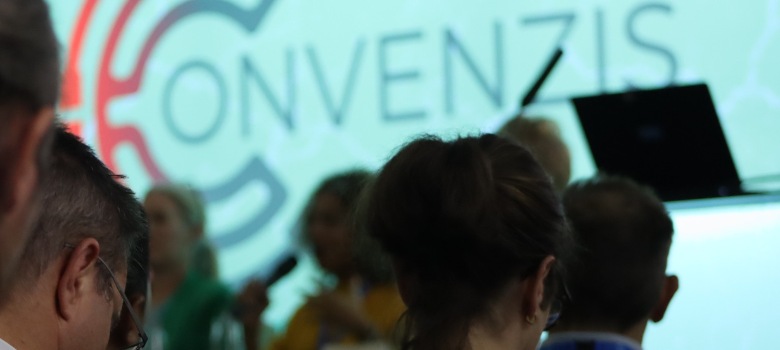 RiskReimagined Conference Gallery