Gallery
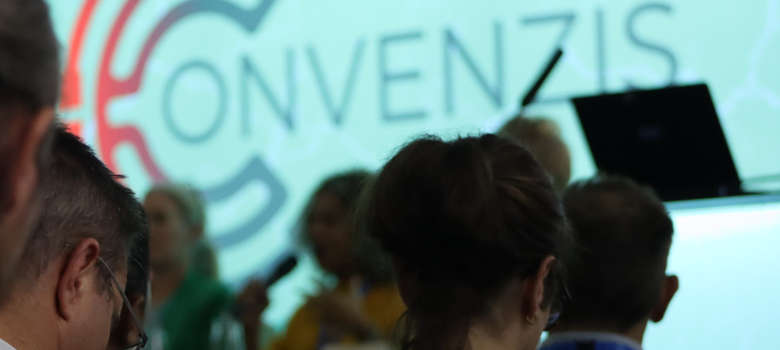 Screening360 Conference Gallery


FREE NHS TICKETS SOLD OUT!
If you work for the NHS and would still like to be considered for an NHS ticket, please email us at info@convenzis.co.uk. You will be added to a waiting list and we will be in touch should a place become available.
A Strategic Summit on Advancing Diagnostic Screening Through Imaging, Pathology & AI - All Convenzis Events Provide 8 CPD Points Per Delegate
Take part in our conference prize draw by visiting all stands and scanning your lanyard at each for a chance to win £100 voucher.


Current Landscape and Challenges
NHS screening programmes are central to the shift towards prevention and early diagnosis, yet delivery at scale remains inconsistent. Rising demand, workforce shortages and increasing diagnostic backlogs are placing significant strain across imaging, pathology and community screening services.
At the same time, systems are being asked to expand access, reduce inequalities and accelerate diagnosis across key pathways including cancer, cardiovascular and long term conditions. Screening programmes such as breast and cervical are under increasing pressure to improve uptake, turnaround times and diagnostic accuracy while maintaining public trust and clinical safety.
Fragmented data flows, limited interoperability and variable digital maturity continue to slow progress. The introduction of AI into screening pathways presents a significant opportunity, but also introduces new challenges around governance, workforce confidence and safe deployment at scale.
The challenge is no longer understanding what needs to change, but how to implement integrated, AI enabled and workforce sustainable screening models across imaging, pathology and population health systems.
Timeliness of the Event
With national focus intensifying on prevention, early detection and population health management, screening is now a critical lever for improving outcomes and reducing pressure on acute services.
AI enabled diagnostics, community diagnostic centres and targeted screening initiatives are already being deployed across the NHS, particularly within high impact areas such as breast and cervical screening. However, variation in adoption, pathway design and operational delivery remains significant.
There is a clear need to move beyond pilots and isolated innovation towards standardised, system wide implementation. This includes aligning imaging, pathology and digital infrastructure, while ensuring governance, safety and workforce readiness are embedded from the outset.
Screening360 2026 provides a timely platform for NHS leaders to understand what is working in practice, learn from early adopters and accelerate the delivery of scalable, equitable and clinically robust screening services.
Key Learning Outcomes
Why Attend
Screening360 2026 is designed for NHS leaders responsible for delivering screening and diagnostic transformation across real world pathways. This is not a high level policy discussion, it is a practical forum focused on how to operationalise screening at scale.
With a strong focus on high impact areas such as cancer screening and women’s health pathways, the event brings together imaging, pathology and digital leaders to share what is working, what has failed and what needs to change.
Delegates will leave with tangible outputs including implementation frameworks, governance checklists and real world delivery models that can be applied immediately within their own systems. Through skill clinics, NHS deep dives and frontline reflections, attendees will gain the clarity and confidence needed to expand capacity, improve early detection and deliver measurable improvement in patient outcomes.
Relevance for Sponsors & Partners
This conference provides a highly targeted platform for organisations supporting diagnostic screening, early detection and pathway improvement across imaging, pathology and AI-enabled diagnostics.
Sponsors will be well-positioned to demonstrate how their solutions enable:

Formerly Chief Officer of the Greater Manchester Diagnostic Networks
Read biography


University College London & Royal Free London Foundation Trust
Read biography

Institute of Cancer Research
Read biography
Registration & Networking
Registration - Open from 8:20 am - Closes at 11:00 am
All delegates must complete their registration process before the 11:00 AM cut-off time. Please arrive in a timely manner to allow for registration and to avoid any inconvenience. Delegates who arrive after the registration deadline will be refused entry to the event.
We appreciate your cooperation in helping us maintain the event's schedule and ensuring that everyone can fully participate in the conference. If you have any questions or require assistance, our event staff will be available to assist you with the registration process.
Thank you for your understanding, and we look forward to an insightful and productive event together!
Opening Keynote - Scaling Long-Term Surveillance and Diagnostic Screening Services Across the NHS
Session Overview:
The presentation will be a physician’s perspective on advancing the use of pathology and imaging for long-term surveillance, screening, case-finding and early diagnosis. He will illustrate the value of digital tools to make patients safer, reduce wait times in clinic, and create space for clinicians to connect to their patients.
Key Learning:
NHS Deep Dive - Taking early detection into the community: The Man Van
Session Overview:
This talk presents the evaluation of the Man Van, a novel nurse-led mobile clinical unit designed to reduce health inequalities in prostate cancer by bringing testing and health assessments directly into underserved communities. Using targeted outreach to deprived populations and ethnic minority groups, particularly Black men who are at higher risk of prostate cancer, the programme provided PSA testing alongside broader health checks and streamlined referral pathways.
Findings from both the pilot and larger Phase 2 implementation demonstrated high uptake, successful engagement of high-risk populations, strong patient and stakeholder acceptability, and detection of clinically significant prostate cancers at rates that compared favourably with contemporary screening studies. Importantly, most cancers were identified at an early stage, with very low rates of metastatic disease at diagnosis.
A health economics evaluation showed that the optimised Man Van model was scalable, efficient, and potentially less costly than conventional primary care testing pathways. Overall, the study suggests that mobile, community-based diagnostic services can play an important role in addressing healthcare inequalities and improving early cancer detection.
Expert Q&A - The Cutting Edge of Screening Services: New Models for Prevention, Earlier Detection & Population Health
A short, chaired discussion bringing together the morning speakers to consider how NHS screening must evolve as services move towards more targeted, community-based and preventative approaches.
Discussion:
How do we reach people traditional models miss? Where should targeted approaches complement population screening? How can inequalities be reduced? And what should NHS screening and prevention services prioritise next?
Morning Break
Got a great question? Ask it during the session for a chance to win a voucher for the best audience question.
NHS Deep Dive - Expanding Screening Capacity Without Expanding Workforce: A Practical NHS Approach
Session Overview:
With workforce growth constrained, services are under increasing pressure to deliver higher screening volumes without increasing staff burden.
This session explores how organisations are redesigning workforce models, introducing advanced practice roles and using decision support to increase capacity. Drawing on real-world experience from cancer pathways, the focus is on improving throughput while maintaining staff wellbeing and clinical safety.
Key Learning:
NHS Deep Dive - Forging the Path: Implementing a Digital Cytology AI Pilot Without A Roadmap
Session Overview:
With little existing guidance available, implementing an AI-powered Digital Cytology pilot required navigating uncharted territory. This presentation shares the challenges, lessons learned, and practical experiences of introducing AI into a cervical screening laboratory, highlighting how innovation, collaboration, and careful governance can help shape the future of cervical screening.
Key Discussion Areas:
Lessons Learnt from the Frontline - Expanding Capacity Without Expanding Workforce
The RPA work is a great anchor for this, particularly around:
Lunch & Networking
Got a great question? Ask it during the session for a chance to win a voucher for the best audience question.
NHS Deep Dive - AI in Screening: The Critical Role of Pathology Services
Session Overview:
Artificial intelligence is increasingly being integrated into screening programmes to improve accuracy, efficiency, and early disease detection. While much focus is placed on algorithm development, pathology services play a central role in ensuring safe and effective implementation. This presentation highlights the importance of pathology in AI-driven screening, particularly in providing diagnostic ground truth, supporting model validation, and ensuring data quality. It also explores the integration of digital pathology into routine workflows and how AI may assist in managing high diagnostic workloads. Key challenges including validation, bias, governance, and regulatory requirements are discussed, alongside the evolving role of the pathologist in an AI-enabled healthcare system. The session concludes by emphasising the need for close collaboration between clinicians, pathologists, and data scientists to ensure safe, reliable, and equitable screening outcomes.
Afternoon Skills Clinic - Closing the Gaps in NHS Screening: Access, Capacity and Earlier Diagnosis
Session Overview:
As NHS screening services expand and evolve, improving outcomes will depend not only on new technologies and screening models, but on addressing the practical barriers that prevent people from accessing services and moving efficiently through diagnostic pathways.
This panel will explore the challenges currently affecting screening delivery across the NHS, including inequalities in participation and uptake, workforce and diagnostic capacity, variation between services, and delays between screening, investigation and onward care.
Bringing together perspectives from screening, cancer services, diagnostics, public health and pathway leadership, the discussion will consider how organisations can create more accessible, connected and sustainable screening pathways while responding to increasing demand.
Key Discussion Areas:
Tea, Coffee & Networking
Got a great question? Ask it during the session for a chance to win a voucher for the best audience question.
End of Day
Every attendee makes a difference. We’ll donate one tree for every delegate attending the conference to our partners over at Play it Green and £1 to our Charity of the Year, Stockport Without Abuse.
Screening360 Conference Gallery