Gallery
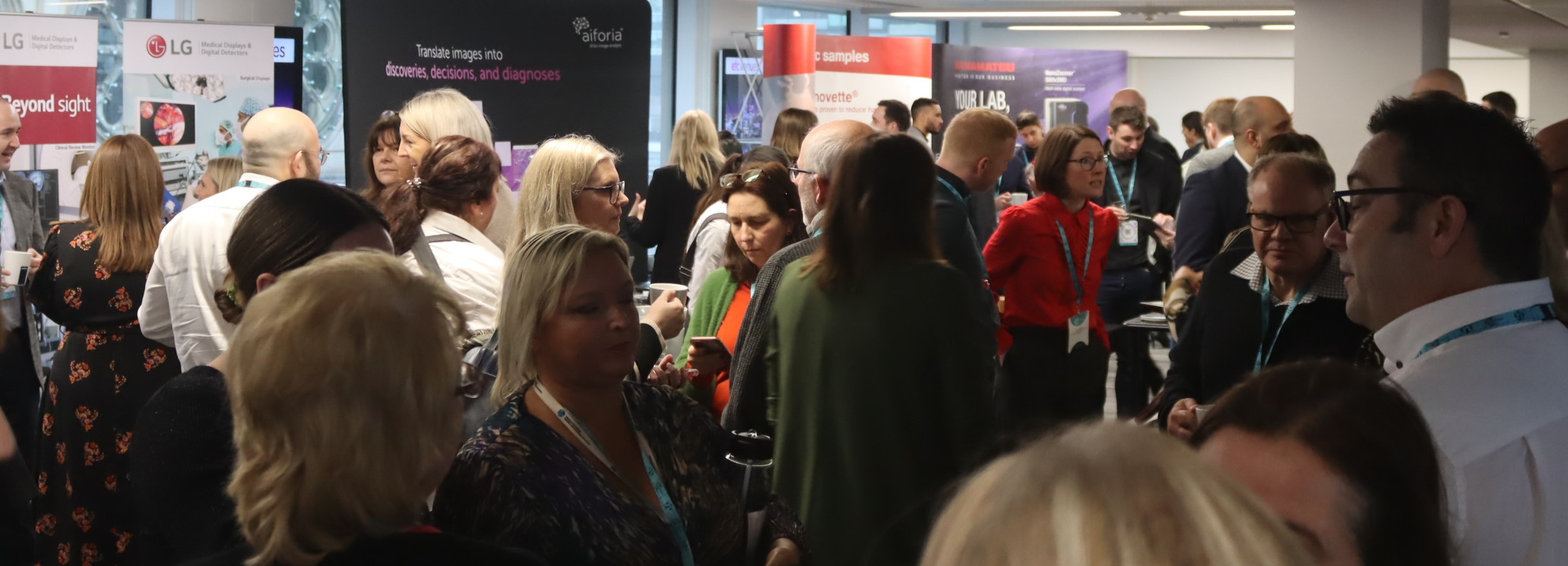
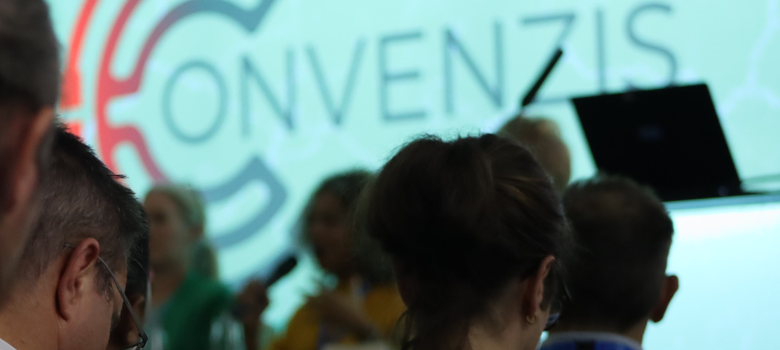 Path360 Conference Gallery

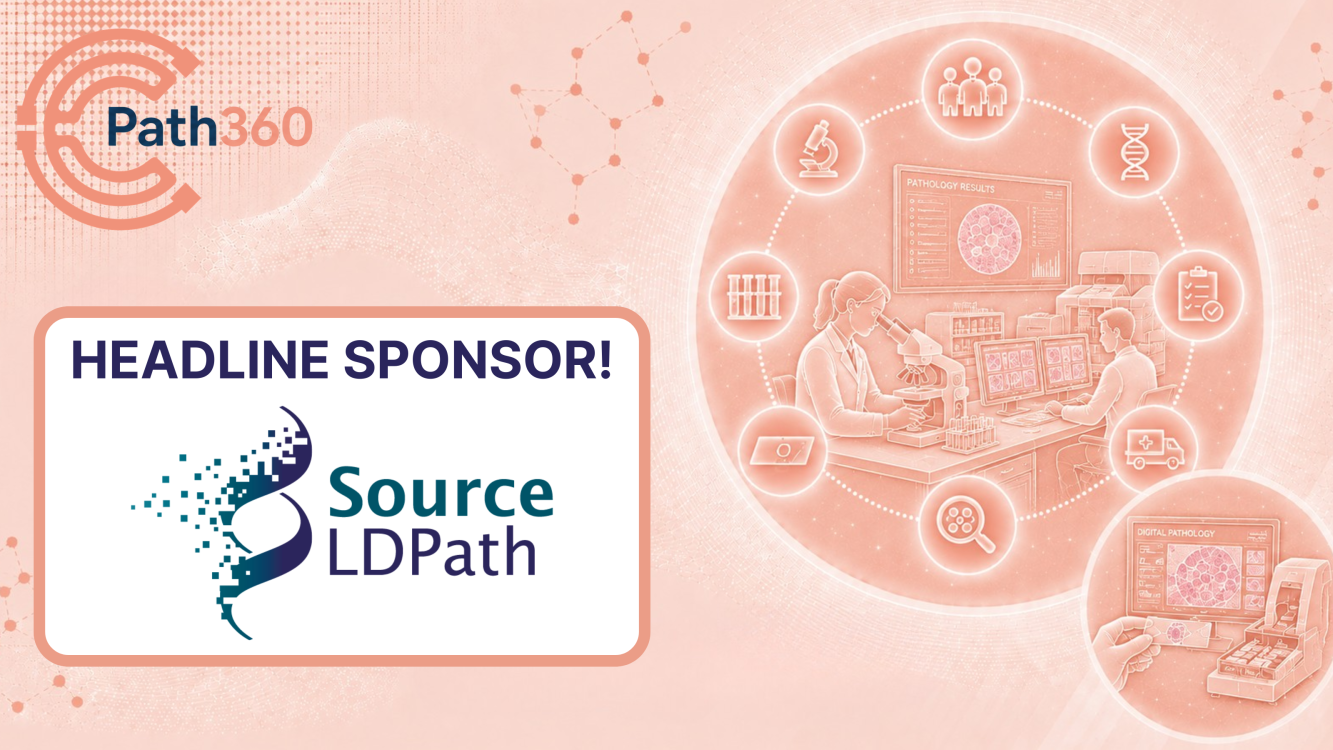
A Skills-Led Summit on Building Sustainable, Digital and Workforce-Ready Pathology Services
Take part in our conference prize draw by visiting all stands and scanning your lanyard at each for a chance to win £100 voucher.
Join HESUK Today
Join a growing community of NHS professionals. Connect with peers, share insights, submit your questions in advance, and help shape the future of NHS Pathology Services through meaningful discussion and collaboration.
https://www.healthcareengagementsociety.org.uk/











Pathology underpins more than 70% of all clinical diagnoses and sits at the heart of NHS diagnostic transformation. Yet pathology services continue to face mounting pressure from workforce shortages, rising demand, ageing infrastructure, and the rapid pace of digital and networked service change.
Path360 2026 brings NHS pathology leaders together at a critical moment, as systems move from planning and pilots into delivery at scale. With pathology networks now embedded across England and national programmes accelerating digital pathology, automation, AI, and laboratory integration, the challenge is no longer what to do, but how to deliver safely, consistently and sustainably.
Crucially, this transformation is not limited to histopathology. Blood sciences, microbiology, and laboratory automation are rapidly evolving, with high-throughput automated lines, integrated LIMS platforms, and end-to-end sample logistics reshaping how modern laboratories operate. As diagnostic demand increases, services must rethink workflow design, workforce capability, digital integration, and networked delivery across the entire pathology landscape.
This conference is designed to support that shift. Rather than focusing on policy alone.
Summit Focus:
Path360 2026 is structured around applied learning and real-world delivery. The programme brings together senior NHS leaders, network directors, laboratory managers, and clinical specialists to share tested approaches, frameworks, and lessons from the front line.
Sessions will explore transformation across histopathology, blood sciences, microbiology and laboratory automation, reflecting the increasingly integrated nature of modern pathology services.
The agenda blends Skill Clinics, Leadership Lessons, Deep Dives, and Case Studies, ensuring delegates gain both strategic insight and practical tools they can apply immediately within their own services.
This is not a showcase of innovation in isolation, but a skills exchange on how pathology services are being modernised in practice.
What Delegates Will Gain:
By attending Path360 2026, delegates will leave with clear insight into how to:
We have an invite only option for NHS Senior Managers for our conference, to see if you qualify for a complimentary place please click the button below.
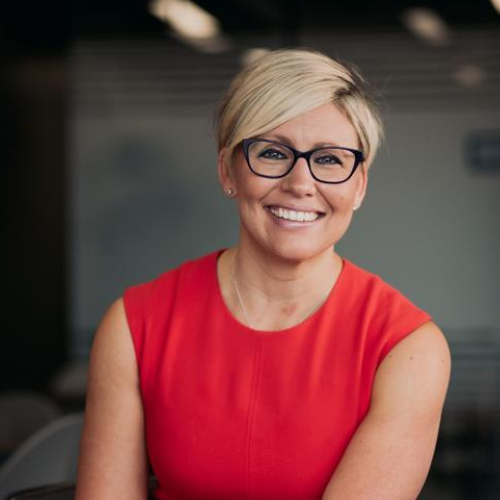

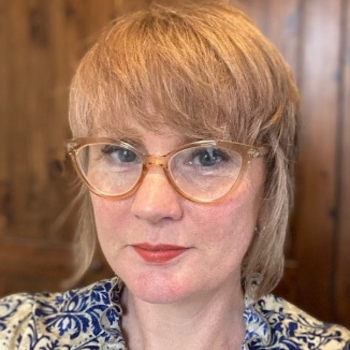

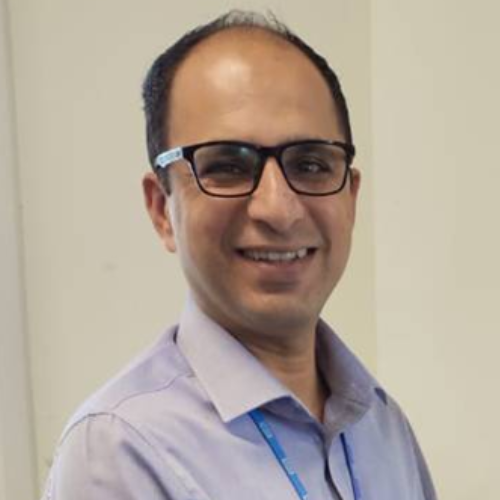
Formerly Chief Officer of the Greater Manchester Diagnostic Networks
Read biography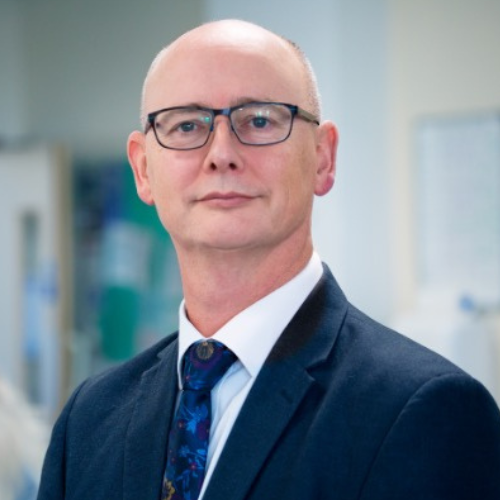
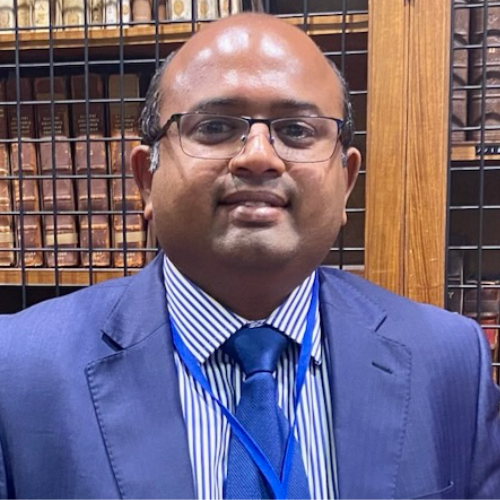
Manchester University NHS Foundation Trust
Read biography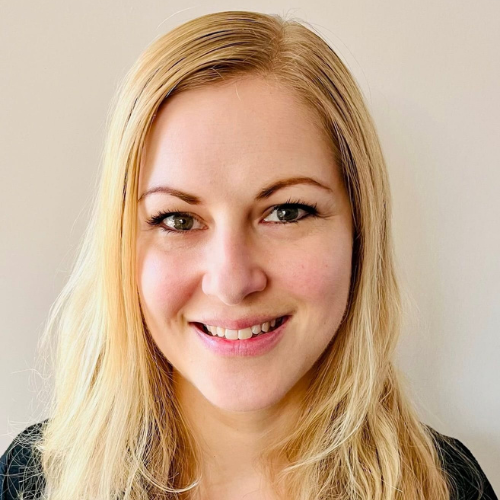


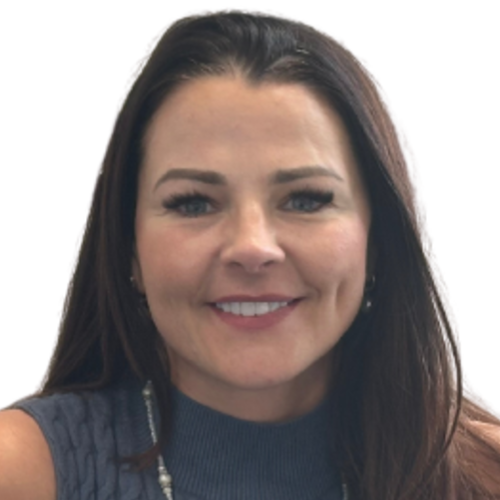
South 4 Pathology Partnership Great Western Hospitals NHS Foundation Trust
Read biography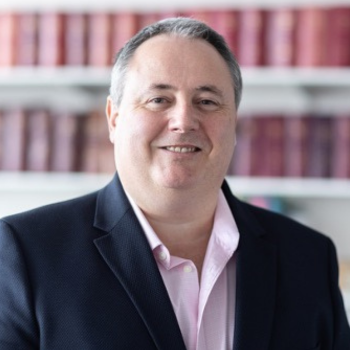
NHSE, North West London Pathology
Read biography
Registration & Networking
Registration - Open from 8:20 am - Closes at 11:00 am
All delegates must complete their registration process before the 11:00 AM cut-off time. Please arrive in a timely manner to allow for registration and to avoid any inconvenience. Delegates who arrive after the registration deadline will be refused entry to the event.
We appreciate your cooperation in helping us maintain the event's schedule and ensuring that everyone can fully participate in the conference. If you have any questions or require assistance, our event staff will be available to assist you with the registration process.
Thank you for your understanding, and we look forward to an insightful and productive event together!
Keynote Presentation - From Scientific Expertise to System Leadership: A Fireside Conversation with Professor Catherine Ross
Session Overview:
Join Professor Catherine Ross, Chief Scientific Officer for Scotland, for a fireside conversation exploring the evolving role of the scientific workforce in shaping safer, more sustainable and future-ready health services.
Drawing on her experience across national policy, workforce strategy, clinical leadership and board-level governance, Professor Ross will reflect on how healthcare science can be better recognised, represented and embedded within service planning and transformation. The discussion will explore workforce visibility, leadership development, evolving scope of practice, workforce data, innovation and the practical steps organisations can take to ensure scientific expertise has a stronger voice in decisions affecting diagnostic and pathology services.
This session will offer a timely perspective for pathology, diagnostics and healthcare science leaders looking to strengthen capability, develop future leaders and translate scientific expertise into meaningful service improvement.
Morning Skill Clinic - From Vision to Reality: Embedding Digital Pathology, AI and Automation into Day-to-Day Laboratory Practice
Session Overview:
Digital pathology, AI and laboratory automation are moving from strategic ambition into operational delivery. This skill exchange will explore how laboratories can embed these innovations into routine practice while maintaining clinical assurance, workforce confidence and service sustainability.
Key themes / delegate outcomes:
Main Sponsor - From Analogue to Digital: Revolutionising Pathology to Help You Meet RCPath / NHSE Turnaround Directives
Main Sponsor - Source LDPath
What would it mean for you to be able to quantify digital pathology implementation for your hospital / department? If only it were as simple as it sounds. A walk-through updated NHS requirements for histopathology TATs and what the private sector can do to support you in achieving them. Focus will be on case studies to date and the Health Economic Model for Digital Pathology.
Morning Break
Got a great question? Ask it during the session for a chance to win a voucher for the best audience question.
Case Study - ProfilerLive
Case Study - ProfilerLive
About us:
ProfilerLive is a cutting-edge digital training and competency management platform designed to streamline workforce training and compliance processes. ProfilerLive enables organisations to automate training, track competency progress in real time, and ensure regulatory compliance. With its intuitive interface, real-time reporting, and comprehensive analytics, ProfilerLive empowers managers to make data-driven decisions and optimise workforce planning.
Case Study -Technology for the 10-day Cancer Target
Case Study - Diagnexia
About us:
Diagnexia stands at the forefront of digital pathology services in the UK, providing an innovative, on-demand network of expert subspecialty pathologists dedicated to supporting the NHS and healthcare providers across the UK. With a commitment to speed, compliance, and expertise, Diagnexia offers a swift 3-5 day turnaround for primary diagnostic reports and 7-10 days for secondary consults, ensuring timely and accurate diagnostic services. Recognised for its digital excellence, Diagnexia facilitates seamless, intuitive reporting and case management from anywhere, ensuring that the NHS, has access to top pathology minds, thereby enhancing patient outcomes, reducing backlogs, and ensuring balanced workloads across pathology departments.
Leadership Interview Session - Implementing Automation in Cellular Pathology at Scale
Session Overview:
This keynote will explore the real-world implementation of automation in cellular pathology, drawing on work across NHS network locations in England. The session will examine the potential of automation to improve workflow, consistency and capacity while supporting the future design of cellular pathology services.
Key themes / delegate outcomes:
Case Study - Navigating the Challenges of a National LIMS Implementation
Case Study - Clinisys
Session Overview:
This presentation outlines the implementation of a regional Core LIMS across Northern Ireland, replacing ageing, fragmented systems to improve efficiency, safety, and data management. It explores key challenges across funding, technical integration, and people, highlighting issues such as programme interdependencies, system interoperability, and stakeholder resistance to change. Practical lessons include the importance of early workforce planning, robust testing, standardisation, and strong change management. Success factors included a centralised programme team, collaborative working, and structured governance through a PMO. The session also includes next steps focused on risk mitigation, operational transition, and strengthening governance to support long-term sustainability and continuous improvement.
Lunch and Networking
Got a great question? Ask it during the session for a chance to win a voucher for the best audience question.
Case Study - Optimising Diagnostic Quality at Scale: Transforming NHS Laboratory Performance with Abbott AlinIQ Indexor
Case Study - Abbott
As NHS laboratories face increasing demand, workforce pressures, and the need for greater efficiency, ensuring high-quality, reliable diagnostic data has never been more critical. This session explores how Abbott’s AlinIQ Indexor pre-analytical solution is helping NHS labs address one of the most overlooked sources of diagnostic error pre-analytical variability. Focusing on real-world applications within the UK, the presentation will highlight how Indexor enables laboratories to objectively assess sample quality, reduce haemolysis and other interferences, and standardise workflows across networks.
By improving the integrity of samples at the earliest stage of the diagnostic pathway, laboratories can reduce repeat testing, minimise delays, and enhance clinician confidence in results. The session will also consider the broader impact on NHS priorities, including cost efficiency, productivity, and patient safety, alongside the role of integrated digital tools in unlocking actionable insights from laboratory data. Attendees will gain practical perspectives on implementing pre-analytical optimisation at scale, and how digital innovation can support more consistent, data-driven care across increasingly connected NHS diagnostic networks.
Interview Session - From Network Formation to Single Entity: Lessons from the South Yorkshire and Bassetlaw Pathology Journey
Session Overview:
This session will reflect on the journey of South Yorkshire and Bassetlaw Pathology, exploring the shift from a networked model towards a more unified, single-entity approach. The discussion will examine what has worked well, what has been more challenging and what others should consider when moving towards more integrated pathology delivery.
Key themes / delegate outcomes:
Case Study - From Referral to result: Redesigning the diagnostic pathway around the patient
Case Study - RDI
What if the biggest challenge in diagnostics isn't capacity - but friction? Patients who don't engage. Samples that don't arrive. Workforce pressures. Compliance demands. Unpredictable workloads. Every diagnostic pathway contains hidden points of friction that create inefficiency, increase costs and impact outcomes.
In this session, Amanda Sparkes, Chief Clinical Officer at RDi, examines the role of digital maturity in modern diagnostics, shares lessons from large-scale screening programmes, and explores how data, automation and patient-centred design can transform the way sample collection pathways operate.
From kit return rates and sample integrity to giving laboratories real-time visibility of demand - you’ll discover how a connected approach can benefit every stakeholder across the pathway.
Drawing on more than 25 years of nursing experience and her work at the forefront of NHS digital transformation, Amanda brings a unique perspective on the challenges facing modern diagnostics.
Key themes include:
• Digital maturity and data-driven decision making
• Workforce optimisation and capacity management
• Quality, compliance, and regulatory readiness
• Patient engagement, accessibility, and health inequalities
• Automation and operational efficiency
• Collaborative partnership across the diagnostic pathway
• Lessons from large-scale screening programmes
Join Amanda to challenge conventional thinking and explore what the future of diagnostics could look like when every part of the pathway works together.
For further enquiries contact sales@thisirdi.com
NHS Deep Dive - Running a Pathology Network in Practice: Leadership, Priorities and Operational Delivery
Session Overview:
This session will draw on Dr Rajesh Rajendran’s experience as Clinical Lead for the Greater Manchester Pathology Network, exploring the practical realities of leading pathology network delivery across multiple organisations.
The presentation will consider how networks can create effective clinical reference group structures, balance organisational ambitions with shared network priorities, and develop the leadership needed to support sustainable pathology transformation.
Key themes / delegate outcomes:
Presentation - From Network Design to Operational Delivery: Building High-Performing Pathology Services at Scale
Session Overview:
Pathology networks are now established across the NHS, but delivering consistent, high-performing services at scale remains a major operational challenge. This session will share practical insight into how networked pathology services can manage demand, improve turnaround times, support workforce sustainability and maintain performance across multiple sites.
Key themes / delegate outcomes:
Afternoon Skill Clinic - The Future of Pathology Networks: Automation, Innovation and the End-to-End Diagnostic Pathway
Session Overview:
This closing panel will bring together senior voices from across pathology and diagnostics to explore the future of pathology networks. The discussion will focus on automation, innovation, workforce pressures, network maturity, sustainability and the end-to-end diagnostic pathway from sample collection through to reporting and results delivery.
Key themes / delegate outcomes:
Tea, Coffee & Networking
Got a great question? Ask it during the session for a chance to win a voucher for the best audience question.
End of Day
Every attendee makes a difference. We’ll donate one tree for every delegate attending the conference to our partners over at Play it Green and £1 to our Charity of the Year, Stockport Without Abuse.
Path360 Conference Gallery