Gallery
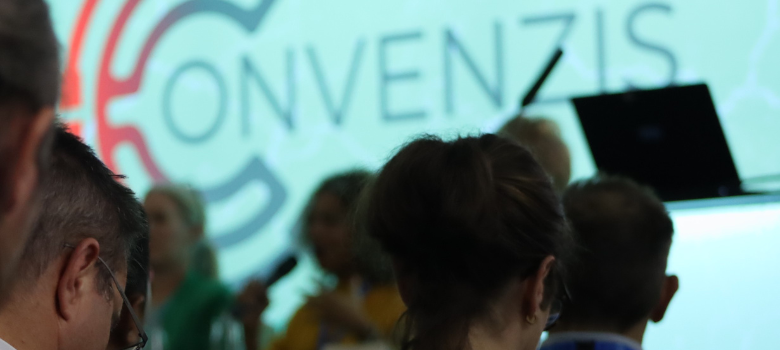 CardioVision Conference Gallery

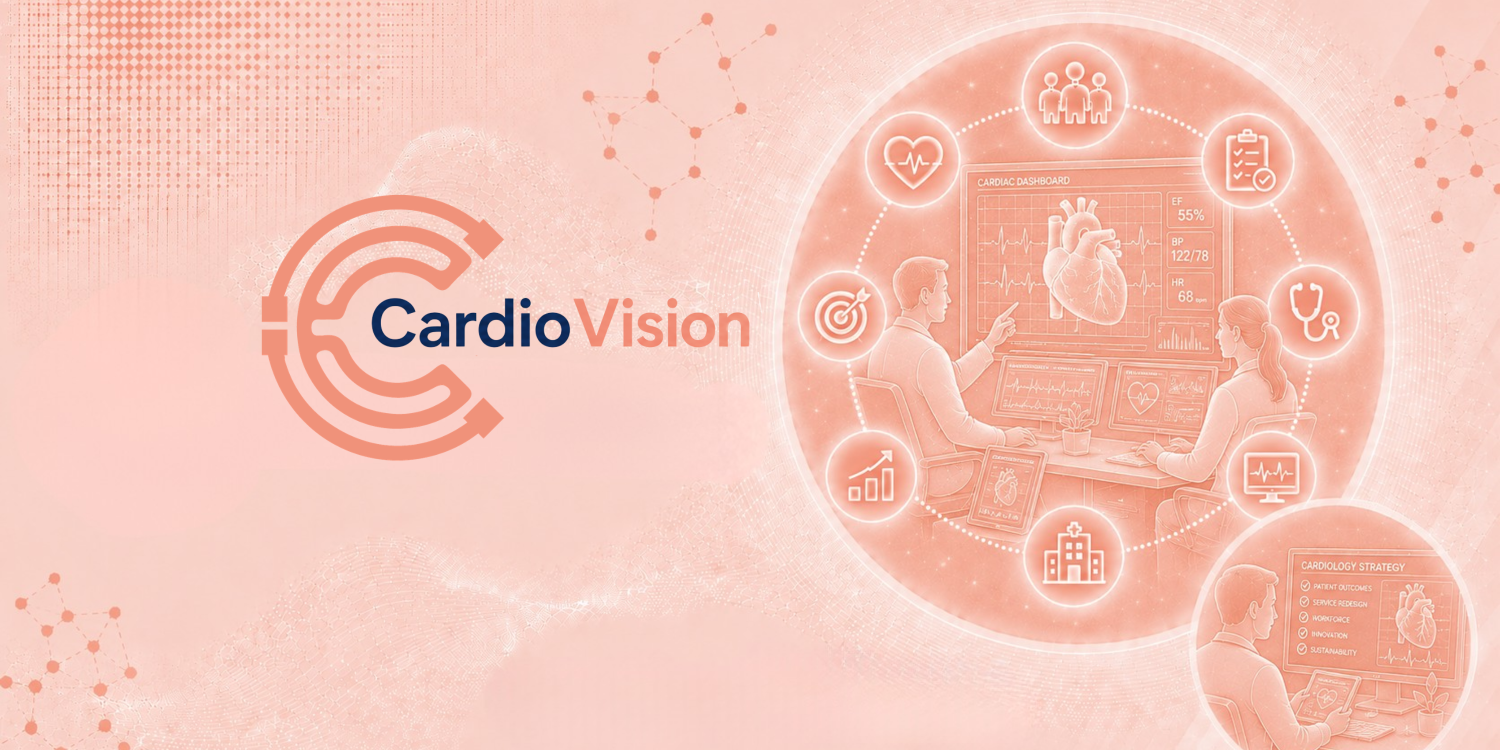
A Strategic Summit on System-Wide Cardiac Transformation - All Convenzis Events Provide 8 CPD Points Per Delegate
*AstraZeneca has provided a sponsorship towards this independent programme. AstraZeneca has had no editorial input into or control over the agenda, content development or choice of speakers, nor opportunity to influence.*
*AstraZeneca is not a participant in the stand visit prize draw and has not contributted to the £100 prize draw*








Cardiovascular disease remains the UK’s leading cause of death and a defining challenge for the NHS. With over 425,000 patients waiting for heart care, and growing disparities in access and outcomes, the need for system-wide change is urgent. The 10 year plan call for faster diagnosis, proactive prevention, and integrated, data-enabled cardiac services.
CardioVision 2026 provides a focused national forum for senior NHS leaders, clinicians, and system partners to strengthen the delivery of cardiovascular transformation. The summit moves beyond discussion, equipping delegates with tested delivery models, practical tools, and collaborative insight to accelerate improvement in prevention, diagnosis, and care delivery across secondary care, ICBs and provider networks.
Summit Focus:
The CardioVision 2026 Summit is a premier event for sharing best practices and innovations, designed to help NHS professionals move from awareness to applied implementation. Delegates will gain hands-on frameworks, tested delivery models, and peer-derived insights on how to embed safe, equitable, and sustainable transformation within cardiovascular services.
Dedicated Skill Clinics will provide practical sessions offering tools, checklists, and implementation templates to support diagnostic scaling, digital adoption, and pathway redesign. Lessons Learned Sessions will offer candid reflections from NHS leaders on tackling service bottlenecks, workforce challenges, and data integration barriers.
This is not a showcase of what to achieve, but a skills exchange on how to achieve it, translating national ambition into measurable improvement.
This year’s event is structured around clear outcomes. Delegates will leave understanding:
What’s New for 2026:
Why Attend:
Who Would Benefit:
This conference is ideal for clinical, operational, and digital leaders driving cardiovascular transformation, including ICB and ICS teams, Clinical Directors, Cardiology and Imaging Leads, Chief Pharmacists, Primary Care Leaders, CCIOs, CIOs, Service Managers, and Transformation Directors. It will also benefit commissioners, community providers, and workforce planners seeking practical guidance on scalable, interoperable cardiac models of care.
Suppliers, digital partners, and academic collaborators will gain insight into implementation priorities, workforce skill gaps, and the real-world enablers shaping the next decade of NHS cardiovascular transformation.
We have an invite only option for NHS Senior Managers for our conference, to see if you qualify for a complimentary place please click the button below.

Formerly Chief Officer of the Greater Manchester Diagnostic Networks
Read biography


NHS England
Read biography
Humber Health Partnership (HUTH and NLAG NHS Trusts)
Read biography
St Bartholomew’s Hospital, Barts Health NHS Trust
Read biography

Royal Brompton & Harefield Hospital- Part Of Guy’s & St Thomas’ NHS Foundation Trust
Read biography


Registration & Networking
Registration - Open from 8:20 am - Closes at 11:00 am
All delegates must complete their registration process before the 11:00 AM cut-off time. Please arrive in a timely manner to allow for registration and to avoid any inconvenience. Delegates who arrive after the registration deadline will be refused entry to the event.
We appreciate your cooperation in helping us maintain the event's schedule and ensuring that everyone can fully participate in the conference. If you have any questions or require assistance, our event staff will be available to assist you with the registration process.
Thank you for your understanding, and we look forward to an insightful and productive event together!
*AstraZeneca has provided a sponsorship towards this independent programme. AstraZeneca has had no editorial input into or control over the agenda, content development or choice of speakers, nor opportunity to influence.*
Keynote Presentation - Cardiac transformation: A case example of a potential palpitation pathway
Session Overview:
Demonstrating how embracing innovative technology and innovative pathways can streamline the diagnostic journey and reduce the burden on secondary care.
Morning Skill Clinic - Fixing the Flow: Practical Strategies to Reduce Cardiac Backlogs and Waiting Times
Morning Skill Clinic
A hands-on clinic for operational and clinical leaders focused on tackling diagnostic and treatment delays. Delegates will work through real-world backlog reduction models, capacity-planning techniques, and referral redesign frameworks that can be applied immediately in their own settings.
Learning Outcomes:
Case Study - ProfilerLive
Case Study - ProfilerLive
About us:
ProfilerLive is a cutting-edge digital training and competency management platform designed to streamline workforce training and compliance processes. ProfilerLive enables organisations to automate training, track competency progress in real time, and ensure regulatory compliance. With its intuitive interface, real-time reporting, and comprehensive analytics, ProfilerLive empowers managers to make data-driven decisions and optimise workforce planning.
Case Study - From Pandemic Innovation to System-Wide Standardisation: A Case Study in Arrhythmia Diagnostics
Case Study - iRhythm
Evaluate the impact of AI-enabled, direct-to-patient arrhythmia diagnostic pathways, implemented during the COVID-19 pandemic, on access, diagnostic efficiency, and patient experience, including insights from the AMALFI trial. Examine how patient selection, monitoring modality, monitoring duration, and AI-supported analysis influence diagnostic yield and pathway efficiency. Discuss the clinical, operational, and procurement considerations required to implement and scale a standardised arrhythmia diagnostic pathway, drawing on experience from Cheshire & Merseyside.
Leadership Lessons from the Front Line - The use of AI / LLM at the referral and triage interface – improving quality, speed, and reducing variation in decision outcomes
Session Overview:
There is huge potential for using LLM’s as a decision support tool at the interface between patients, GP’s, internal medicine, and specialist services – but the challenges to deployment of robust model are huge and the governance needs to be right. We have in our region some early experience of this, insight into the regulatory framework around patient identifiable data, and workable entry points into ‘AI based decision support’
Presentation - Health Inequalities and Cardiovascular Disease
Session Overview:
Cardiovascular disease (CVD) is a major contributor to the life expectancy gap, with significant inequalities. People in more deprived communities and certain ethnic minority groups experience higher rates of CVD mortality. Although there are strong evidence and high-quality data supporting effective CVD prevention such as managing blood pressure, reducing cholesterol, and tackling atrial fibrillation, inequalities in mortality rates persist. Effective use of data allows for targeted interventions which could help reduce the inequalities in mortality rates.
NHS Deep Dive - Every little difference helps
Session Overview:
In the current climate within the NHS with constant pressures and an increasing workload, we need to find solutions to improve services with limited resources. More often than not, small changes/projects can have a big impact and these are often overlooked.
NHS Deep Dive - Cardiovascular Prevention
Session Overview:
Cardiovascular disease (CVD) places a major and ongoing burden on the NHS, contributing significantly to hospital admissions, long-term treatment costs, and pressure on healthcare resources. This presentation discusses the importance of cardiovascular prevention on public health, as it can reduce disease incidence, improve quality of life, and support the sustainability of healthcare systems through cost-effective, proactive care.
NHS Deep Dive - Pharmacy-Led Prevention: Empowering Frontline Teams to Detect and Optimise Care
Session Overview:
This session will explore how community pharmacy is rapidly evolving into a critical frontline access point for cardiovascular prevention, early detection, and long-term risk optimisation within the NHS. Drawing on a real-world case study, the presentation will demonstrate how pharmacy-led models can safely and effectively deliver cardiovascular risk assessment, point-of-care diagnostics, medication optimisation, and structured follow-up—integrated directly into local cardiology and primary care pathways.
Attendees will gain insight into how community pharmacists are supporting earlier identification of cardiovascular risk through high-street access, using tools such as point-of-care lipid testing, blood pressure measurement, and structured risk stratification. The session will show how these services enable timely medication initiation and titration, support secondary prevention pathways, and reduce delays traditionally associated with referral-based models.
Afternoon Skill Clinic - Designing Smarter Pathways: Linking Data, Teams & Therapy for Better Outcomes
Afternoon Skill Clinic
A closing interactive session focused on redesigning end-to-end cardiac pathways using data-driven coordination. Delegates will explore workflow templates and patient-journey mapping tools to streamline referral-to-treatment times and embed equitable, outcome-focused care models.
End of Day
End of Day
AstraZeneca has provided a sponsorship towards this independent programme. AstraZeneca has had no editorial input into or control over the agenda, content development or choice of speakers, nor opportunity to influence.
*AstraZeneca is not a participant in the stand visit prize draw.*
CardioVision Conference Gallery