17th NHS Workforce Conference: Future-Proofing NHS Care
Book tickets
17th NHS Workforce Conference: Future-Proofing NHS Care
Current Landscape:
The NHS workforce stands at a pivotal moment of strategic transformation. The refreshed NHS 10-Year Workforce Plan shifts focus from expanding headcount alone to building a fit-for-purpose, skills-based workforce. This includes a significant move away from international recruitment, major expansion of domestic training, and investment in new career pathways. While progress is underway, the NHS continues to face serious challenges in retention, training capacity, and adapting to new models of care in an increasingly complex healthcare environment.
Importance and Timeliness of the Event:
This conference convenes at a crucial moment in the NHS's evolution. As the system prioritises home-grown talent, digital capabilities, and workforce flexibility, it’s essential to examine how national reforms translate into local implementation. The event provides a timely platform to explore how we recruit, retain, train, and redesign NHS roles to meet future demand, while supporting staff wellbeing and innovation.
Key Content Streams:
- Transition from International Recruitment: As the NHS moves toward reducing overseas recruitment from 34% to under 10% by 2035, how will systems adapt to develop and retain UK-trained professionals?
- Training & Skills Expansion: Exploring the impact of a 27% increase in training places and the doubling of medical and nursing placements on the future NHS pipeline.
- Retention & Well-Being: Strategies to reduce attrition by up to 128,000 FTEs through flexible working, phased retirement, and culture reform.
- Innovative Roles & Digital Integration: How emerging roles, AI, and robotics will reshape care delivery, and what skills staff will need to succeed.
- Workforce Sustainability & Leadership: Examining new models of workforce planning and leadership to future-proof services and improve productivity.
Why Attend:
We look forward to welcoming you to this crucial and transformative event. Come join us in forming a better future for the healthcare industry and the NHS. Healthcare leaders, policymakers, educators, and frontline staff will gain insights into the NHS's strategic direction for workforce development. Attendees will leave with actionable strategies for workforce planning, retention, and innovation, aligning with the broader goals of long-term healthcare improvement.
Register now to be a part of this transformative journey and contribute to building a better future for healthcare and the NHS.
Sponsors & Partners










- Chairs
- Chief Executives
- Chief Nurses/Directors of Nursing
- Clinical Commissioning Group Members
- Clinical Directors/Leaders
- Commercial Directors/Managers
- Contracts Directors/Managers
- Director/Heads of Workforce and HR
- Director/Heads of Operations
- Directors /Heads of Finance
- Directors/Heads of Commissioning/Procurement
- Directors/Heads of Efficiency and Productivity
- Directors/Heads of Organisational Development
- Directors/Heads of Patient Engagement
- Directors/Heads of Policy
- Directors/Heads of Service Transformation
- Directors/Heads of Staff Engagement/Training/HR
- Directors/Heads of Strategy and Transformation
- Estates and Facilities Directors/Managers
- Finance Directors
- Head of Commissioning Support Units
- Improvement Programme Managers/Directors
- NHS Trust Directors and Senior Managers
- Operations/Performance Directors
- Pharmacy Directors and Heads of Medicines Management
- Service Improvement Directors
Your Pass Includes....
- Access to a leading conference speaker programme
- Interactive Q&A sessions
- Fireside interviews
- Cross-sector best practice
- Meet the supplier opportunities
- Hot breakfast & Lunch included
- Access to post event drinks reception and Street food
Tickets For NHS Senior Managers
We have an invite only option for NHS Senior Managers for our conference, to see if you qualify for a complimentary place please click the button below.

Conference Speakers


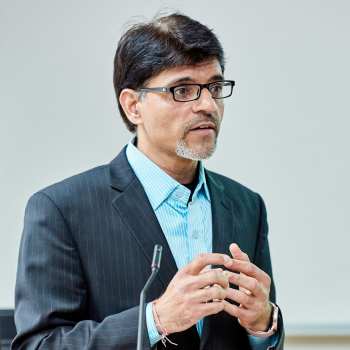
Asad
Ashraf
GP, CCIO, Medical Director
Chingford Medical Practice, Bromley Healthcare, E4 Network
Read biography

Chris Sleight MSc BSc
FIBMS
Chief Executive Officer of Sleight Insights
Formerly Chief Officer of the Greater Manchester Diagnostic Networks
Read biography


Jason
Greasley
Leadership Consultant & Head of Coaching and Leadership Transformation
Buckinghamshire Health & Social Care Academy
Read biography
Kevin
Anderson
Dr/Prof
GP Partner and Director of Workforce Haxby Group Primary Care Workforce Lead Humber North Yorkshire Integrated Care System Visiting Professor Coventry University
Read biography

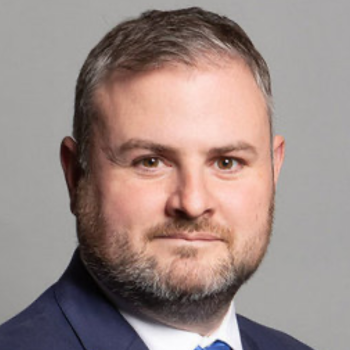
Rt Hon Andrew Stephenson
CBE
Former Minister of State, Department of Health and Social Care
Read biography

The programme
Registration & Networking
Registration & Networking
Tackling NHS Workforce Retention Panel Discussion
With a rapidly evolving healthcare landscape, staff retention has emerged as one of the most pressing workforce challenges. The panel discussion will bring together leaders within workforce planning, clinicians and policy makers to explore the causes of these challenges across NHS roles.
Key Discussion Points:
- Impact of working conditions, pay, and staff morale.
- Strategies for improving career progression, training and support.
- Role of flexible working, well-being initiatives, and leadership culture.
- Effectiveness of current policies and the NHS Long Term Workforce Plan’s ambitions to retain staff.
Panellists:
- Danielle Bird, Operations Manager, The Hill (Provisionally Confirmed)
- Jenny Lewis, Director of Human Resources and Occupational Development, Leeds Teaching Hospitals NHS Trust (Invited)
- Dr Jacqui Hepburn M.Ed., CFCCIPD, Deputy Chief Executive & Director of Workforce, NHS 24 (Invited)
- Patrick Fowler, Associate, Shared Ventures Ltd (Confirmed)
- Kevin Anderson, GP & Director of Workforce, Haxby Group, Primary Care Workforce Lead, HNY Health & Care Partnership (Confirmed)
Presentation - Motivating the Workforce Through Non-Monetary Rewards: Cost-Effective Strategies to Boost Engagement and Retention (Confirmed)
In a system where financial resources are limited, workforce motivation often defaults to discussions on pay and incentives. My presentation will showcase how non-monetary approaches—such as recognition frameworks, career development opportunities, flexible working patterns, peer-led initiatives, and culture-building practices—can deliver significant improvements in staff engagement, satisfaction, and retention.
Drawing on practical examples I have implemented within NHS primary care, I will demonstrate how these innovative yet low-cost strategies can:
- Strengthen team morale and commitment.
- Reduce attrition without increasing budgetary pressures.
- Support the wider NHS goals of staff wellbeing and sustainable workforce planning.
This contribution complements the broader conference themes by highlighting a practical, replicable approach to workforce transformation—proving that motivation doesn't always have to come with a financial price tag.
Morning Break & Networking
Morning Break & Networking
Case Study - Managing Compliance Risk and Optimising Cost in Off-Payroll Engagements
Case Study - Plus Us
This session will discuss the current and emerging trends shaping off-payroll workforce management, with particular focus on:
- Hidden IR35 risk – how the rise of insourcing can create unforeseen compliance challenges.
- Eliminating umbrella risk and avoiding exposure to non-compliant models.
- Lessons from HMRC updates and industry insight on umbrella tax changes and compliance obligations.
- VAT savings opportunities and how organisations can gain visibility and control of locum spend.
We’ll also share case studies where Plus Us helped an organisation reduce reliance on umbrella companies, deliver measurable VAT savings, and improve workforce visibility and control and where Plus Us uncovered and resolved a significant IR35 risk concerning an insourcing provider.
Case Study - Reflections on the Future
Case Study - NHS Workforce Alliance
This session will explore contemporary trends in the contingent labour workforce supply to the NHS, including thoughts on:
- the rebalancing of bank and agency supply
- the deployment of outsourced and insourced services
- the role of the commercial sector in permanent recruitment
- the increasing criticality of workforce support systems
The current situation is fluid and hard to predict. The session will end with an open Q&A to give delegates the opportunity to share ideas.
Fireside Interview - The impact of healthcare reform on workforce (Confirmed)
Drawing on his experience as a former DHSC minister Andrew will talk candidly about his time in office and provide insight into the challenges and opportunities the current governments will face whilst perusing their healthcare reforms.
Case Study - Scaling NHS Capacity Through Digital Workforce Partnerships
Case Study - RotaMaster
Presented by RotaMaster & GPDQ
Zubeda Shaikh – Finance Director
Sam Avery – Marketing Director
Lunch & Networking
Lunch & Networking
Interview Session - How to ditch the superhero and be more superhuman (Confirmed)
In healthcare, many of us have internalised the message that we need to be heroes - constantly available, endlessly capable, and always putting patients and colleagues first. But the cost of this mindset is burnout, disillusionment, and workforce attrition.
In this honest and practical interview with the chair, Dr Sarah Coope will explore and take questions from the audience about how the 'superhero' narrative drives unhealthy work habits and prevents staff from setting boundaries. Drawing on over 20 years of experience as a GP, medical educator and conflict resolution expert, she will offer a compelling alternative: a shift from heroic self-sacrifice to sustainable leadership and self-compassion.
This session will resonate with anyone trying to lead, support or retain a workforce under pressure. It’s a call to let go of perfectionism, embrace our limits, and create a healthier, more human way of working in the NHS.
Workshop - How can you build trust in your system? (Confirmed)
Trust is crucial for effective teamwork and collaboration. Without it, sharing knowledge and learning from each other becomes challenging.
Trust is the foundation for any relationship both at home and work, absence of trust across teams and in systems is the most severe dysfunction a team can have. Doing more with less means we MUST work better across systems and build the foundations for the future. If we do not trust each other, will we share knowledge, will we learn from each other?
Building trust through communications involves creating systems and protocols that allow different organisations, technologies, and teams to work together seamlessly. Here are some key aspects to consider:
Consistent Information Sharing: Regular and structured communication helps maintain relationships and operational capabilities between all stakeholders.
Interagency Collaboration: Successful projects require collaboration between different agencies, considering their unique needs, capabilities, and operational practices.
How can you build trust in your system?
Interview Session - A policy viewpoint of the Workforce (Confirmed)
-
Future Proofing the Workforce.
-
Workforce Transformation.
-
Workforce Innovation.
Presentation - What you need to know about Generations to plan your Sustainable Workforce (Confirmed)
Primary Care at the Core: Strengthening the Workforce for a Sustainable Future Panel Discussion
Primary care is the backbone of the NHS, it faces increasing pressure from rising demand, workforce shortages, and changing patient expectations. The panel discussion will bring together GPs, policy leaders and workforce planners to discuss ways in which to strengthen and sustain the primary care workforce.
Key Discussion Points:
- The current state of the primary care workforce.
- GP recruitment and retention.
- The role of multidisciplinary teams, which include pharmacists, paramedics, and physician associates.
- Innovative models of care and digital tools.
- Training expansion to shift towards community-based and apprenticeship routes.
- Workload management, strategies, and work-life balance.
Panellists:
- Kevin Anderson, GP & Director of Workforce, Haxby Group, Primary Care Workforce Lead, HNY Health & Care Partnership (Confirmed)
- Paul Renshaw, Executive Director of Workforce, NHS Devon, Primary and Social Care (Invited)
- Kristin Francis, Director of Primary Care, Care Unbound (Invited)
- Asad Ashraf, GP, CCIO, Medical Director, Chingford Medical Practice, Bromley Healthcare, E4 Network (Confirmed)
Food, Drinks and Networking
Food, Drinks and Networking
End of Day
End of Day