Gallery
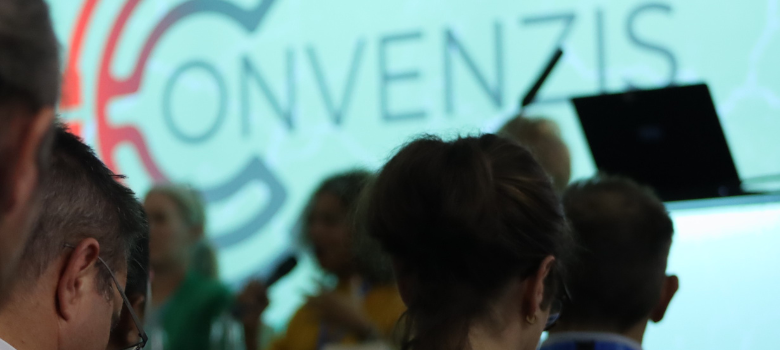 FuturePOCT Conference Gallery

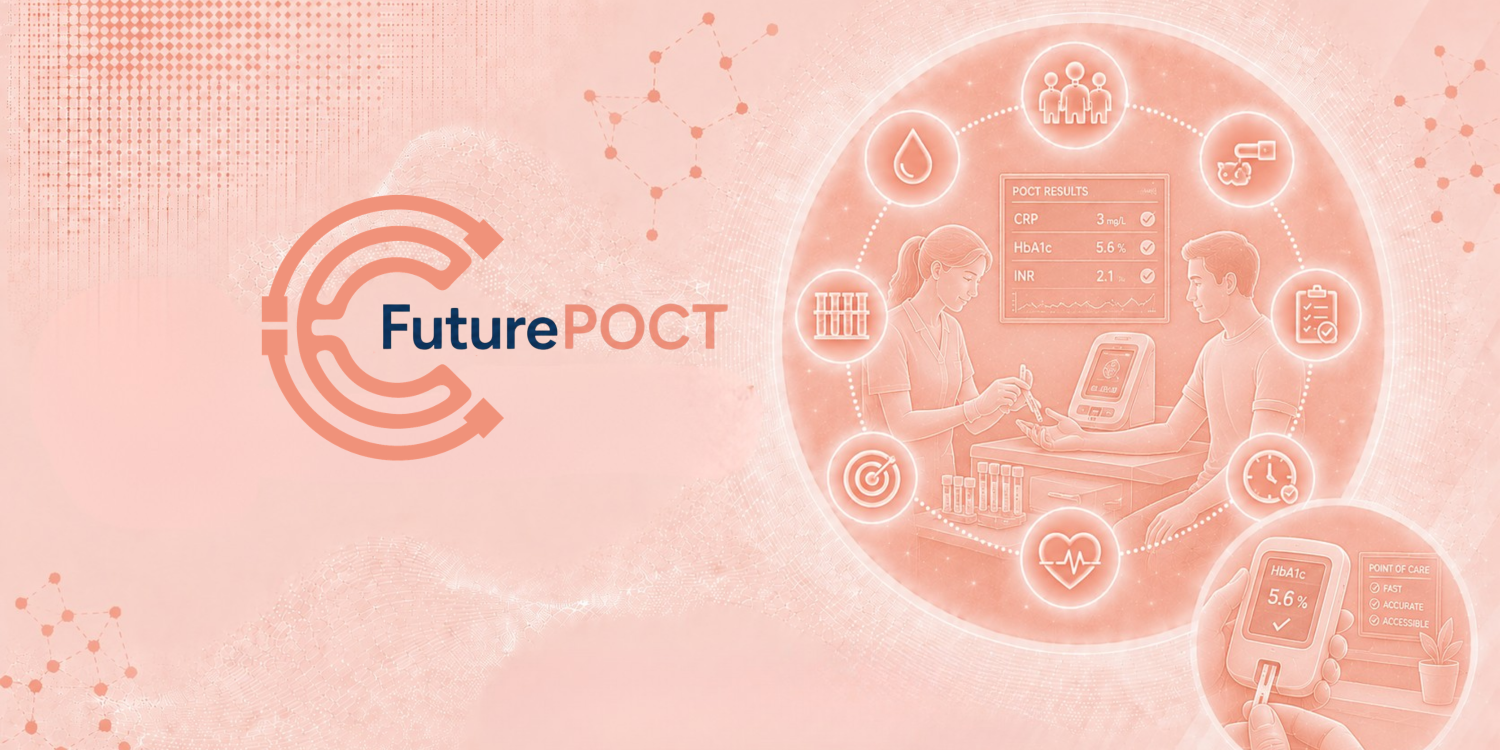
A Skills-Focused Summit on Point of Care Testing & Diagnostic Transformation - All Convenzis Events Provide 8 CPD Points Per Delegate
Take part in our conference prize draw by visiting all stands and scanning your lanyard at each for a chance to win £100 voucher.



Context and Policy Landscape:
The NHS faces an era of unprecedented transformation, with the implementation of the NHS Long Term Plan, the Workforce Plan, and the National Data Strategy driving both opportunity and complexity. Point of Care Testing (POCT) is central to these reforms, offering potential to improve patient pathways, operational efficiency, and clinical decision-making.
Yet translating national ambition into sustainable, locally deliverable outcomes remains a challenge. Services must navigate workforce pressures, digital integration, and governance standards while ensuring safe, equitable care. FuturePOCT 2026 provides a practical forum for NHS leaders to exchange knowledge, explore innovations, and strengthen capability across diagnostic and point-of-care services.
Summit Focus:
The FuturePOCT 2026 Summit convenes senior NHS leaders to translate strategy into action. Delegates will explore tested delivery models, frameworks, and peer-derived insights, focused on embedding safe, sustainable, and equitable transformation in their services.
Dedicated Skill Clinics offer practical tools, checklists, and implementation templates to support immediate application in local contexts. Lessons Learned Sessions provide candid reflections from NHS leaders, highlighting real-world challenges, adjustments, and successful interventions.
This is not a showcase of what to achieve, but a skills exchange on how to achieve it, translating national ambition into measurable improvement.
This year’s event is structured around clear outcomes.Delegates will leave understanding:
What’s New for 2026:
Why Attend:
Who Would Benefit:
FuturePOCT 2026 is designed for clinical, operational, and digital leaders driving NHS transformation, including ICB and ICS teams, Chief Nurses, AHP leads, CCIOs, CIOs, service managers, and transformation directors. Community providers, GP leaders, workforce planners, and patient experience teams will also gain practical insights into scalable, interoperable models of care.
Suppliers, digital partners, and academic collaborators will benefit from understanding implementation priorities, workforce skill gaps, and the practical enablers shaping the next decade of NHS transformation.
We have an invite only option for NHS Senior Managers for our conference, to see if you qualify for a complimentary place please click the button below.


University Hospitals of Leicester NHS Trust
Read biography
North West London Pathology | Imperial College Healthcare NHS Trust
Read biography
Northumbria Healthcare Foundation Trust
Read biography
Leicester, Leicestershire and Rutland ICB
Read biography

Health Innovation North West Coast
Read biography
Clinical Lead for Point of Care testing | Gateshead Health NHS Foundation Trust
Read biography


Watton Medical Practice
Read biography
Berkshire and Surrey Pathology Services
Read biographyRegistration & Networking
Registration - Open from 8:20 am - Closes at 11:00 am
All delegates must complete their registration process before the 11:00 AM cut-off time. Please arrive in a timely manner to allow for registration and to avoid any inconvenience. Delegates who arrive after the registration deadline will be refused entry to the event.
We appreciate your cooperation in helping us maintain the event's schedule and ensuring that everyone can fully participate in the conference. If you have any questions or require assistance, our event staff will be available to assist you with the registration process.
Thank you for your understanding, and we look forward to an insightful and productive event together!
Keynote Presentation - Driving Innovation and Quality in Community POCT: Securing Funding, Connectivity, and Demonstrating Value
Session Overview:
Exploring how Community POCT is transforming patient pathways across Hospital at Home, Primary Care, PCNs, and Community Diagnostic Centres. It outlines how strong operational governance, digital connectivity, and collaborative working support safe, scalable POCT services. The presentation also outlines practical approaches to securing funding and evidencing clinical, financial, and patient‑experience impact.
Morning Skill Clinic - Operational Readiness for POCT Implementation: Tools, Checklists and Governance Frameworks
Morning Skill Clinic
A practical with structured templates for workforce capability assessment, digital readiness evaluation, and clinical governance alignment. Participants will work through real-world scenarios to identify risks, mitigations, and enablers for safe and scalable POCT deployment.
Case Study - UK NEQAS
Case Study - UK NEQAS
Case Study - How to transform point of care, lab and GP services with reliable midstream urine collection - and save money
Case Study - Una Health
Session Overview:
Why are up to 30% of urine specimens unreliable, creating costly repeat lab tests and GP appointments whilst generating thousands of unnecessary antibiotic scripts? Why does the UTI pathway omit requirement of a gold-standard, guideline compliant midstream urine specimen and what impact does this have on primary care providers and labs? Why does the UTI pathway fail to chime with AMR guidelines?
This session looks at a simple innovation that eliminates REPEAT from women’s UTI and prenatal screening, removes uncertainty around analysis and diagnosis and puts prescribing accuracy front and centre of the most common infection suffered by women today. * 10m UTI presentations represent around 3% of all GP appointments with up to 30% of these being repeats. * 4.3m urines are collected during routine prenatal screening, yet high specimen contamination rates lead to patient recall and repeat testing.
A dramatic reduction in urine specimen retests will reduce the burden on GP and lab, generating significant cost savings that can be redeployed to support workload and investment into wider services. A simple, GP-designed innovation will help transform UTI and prenatal screening. Come to this session and meet Peezy Midstream.
Presentation - Tackling health inequalities: A Community health and wellbeing approach
Session Overview:
This presentation explores how Watton Medical Practice (WMP), in partnership with Breckland Council and Norfolk & Waveney Integrated Care Board, pioneered the deployment of Community Health and Wellbeing Workers (CHWWs) in one of the most deprived communities in England — and what happened when primary care stopped waiting for patients to walk through the door.
Leadership Lessons from the Front Line - How to set up testing and treating in primary care to realise whole system benefits
Session Overview:
Health Innovation North West Coast has co-designed with primary care and diagnostics networks in Merseyside point-of-care/community test and treat pathways for acute respiratory infections, flu and covid.
This session will focus on the system-wide benefits of point-of-care testing in primary care and how to create successful pathways. What's most important, is that whatever is tested and treated for in the “community” prevents severe illness, eases pressure for urgent/emergency care and avoids hospitalisations (including ICU admissions and deaths). Our evaluation of these pathways demonstrates that this is the case. We can also demonstrate savings of thousands of pounds per patient resulting from avoided hospitalisations.
Therefore, this session will also discuss the need to adequately resource and support primary care and diagnostics to create these pathways – confronting the wider tension on funding prevention-related activities at primary care to prevent higher secondary care costs.
Presentation - Virtual wards, our journey so far
Session Overview TBC
Presentation - Point of care and its role in out of hospital care
Session Overview:
The benefits and advantages of POCT in out of hospital care and when POCT is appropriate, with a focus on what is required to realise and deliver this safely, what we need to do to achieve this and some of the risks if we don’t.
Presentation - NHS Scotland POCT approach: Innovation into a new era
Session Overview:
Details of developments and innovations within NHS Scotland POCT program.
Focus on prevention, scalable innovation and national POCT resources.
FuturePOCT Conference Gallery