Gallery
 PatientPath Conference Gallery

FREE NHS TICKETS SOLD OUT!
If you work for the NHS and would still like to be considered for an NHS ticket, please email us at info@convenzis.co.uk. You will be added to a waiting list and we will be in touch should a place become available.
A Strategic Summit on Optimising Patient Flow and System Coordination Across the NHS - All Convenzis Events Provide 8 CPD Points Per Delegate.
Take part in our conference prize draw by visiting all stands and scanning your lanyard at each for a chance to win £100 voucher.
Join HESUK Today
Join a growing community of NHS professionals. Connect with peers, share insights, submit your questions in advance, and help shape the future of NHS Patient Pathways through meaningful discussion and collaboration.
https://www.healthcareengagementsociety.org.uk/



Patient flow is the central challenge, and opportunity in modern NHS operations. From the “front door” of emergency departments to the “back door” of discharge and community care, every handover determines both efficiency and experience.
With emergency attendances and delayed discharges at record highs, the NHS is under renewed pressure to manage capacity, streamline pathways, and integrate care across acute, community, and primary settings. The 2025 Urgent and Emergency Care Recovery Plan and the NHS Workforce Plan both highlight system-wide flow improvement as a core national priority for the coming year.
This event brings together operational, clinical, and strategic leaders to share what’s working, what needs to change, and how local teams can build the capability to deliver safe, efficient, and patient-centred flow at scale.
Summit Focus:
The conference is designed as a skills-based, outcome-driven forum focused on system coordination, digital enablement, and workforce empowerment. Delegates will engage with real-world frameworks, tested improvement models, and peer learning to translate strategy into operational reality.
Dedicated Skill Clinics will explore front-door streaming, discharge innovation, and digital integration. Lessons Learned Sessions will offer candid accounts of challenges, recovery, and leadership under pressure.
This is not a showcase of what to achieve, but a collaborative exchange on how to achieve it, translating national ambition into measurable improvement.
This year’s event is structured around clear outcomes. Delegates will leave understanding:
Why Attend?
Who Would Benefit?
This summit is designed for COOs, Chief Nurses, Flow and Discharge Leads, Operations Directors, AHPs, and Community Integration Managers working across acute and system settings. It will also benefit ICS and ICB transformation teams, urgent and emergency care leads, and primary/community service directors seeking scalable approaches to managing demand, flow, and discharge.
Relevance for Sponsors & Partners
This conference provides a highly targeted platform for technology providers, service partners, and suppliers supporting patient flow, operational performance, discharge improvement, and urgent and emergency care transformation across the NHS.
Sponsors will be well positioned to demonstrate how their solutions enable:
Through speaking opportunities, exhibition space, workshops, and interactive networking sessions, partners will be able to align their solutions directly with NHS priorities around urgent and emergency care recovery, discharge improvement, workforce productivity, digital transformation, and whole-system flow. The event provides direct access to senior NHS decision-makers responsible for operational delivery, service redesign, digital innovation, and integrated care transformation, creating valuable opportunities to build relationships, showcase measurable impact, and support the next generation of patient flow improvement initiatives.



GIRFT
Read biography

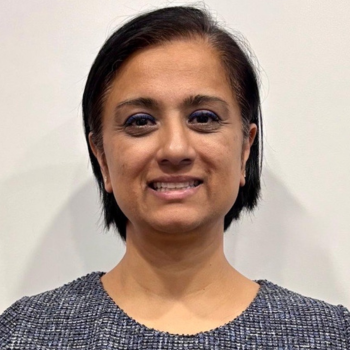
Dartford and Gravesham NHS Trust
Read biography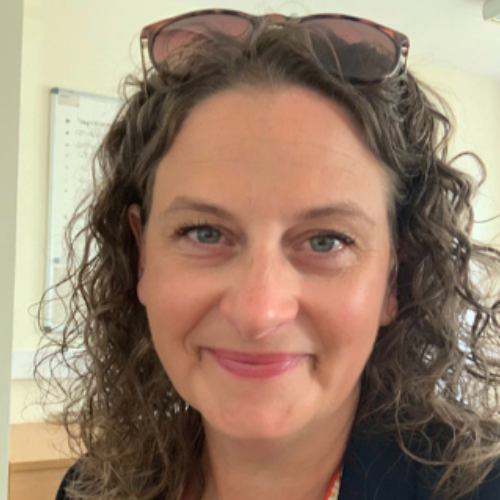
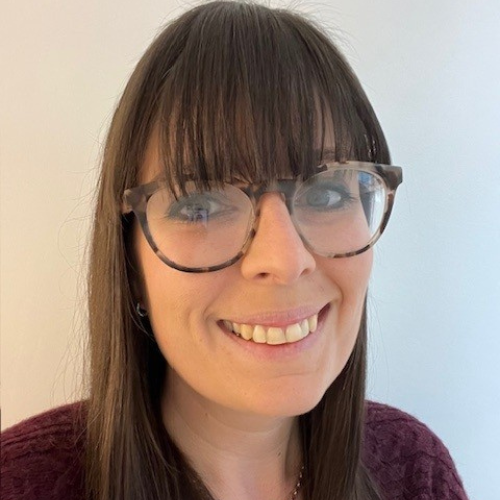
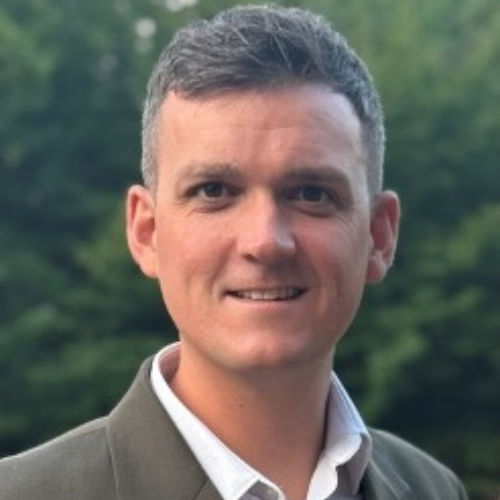
City St George's Medical School
Read biography
South Warwickshire University Foundation Trust
Read biography


Registration & Networking
Registration - Open from 8:20 am - Closes at 11:00 am
All delegates must complete their registration process before the 11:00 AM cut-off time. Please arrive in a timely manner to allow for registration and to avoid any inconvenience. Delegates who arrive after the registration deadline will be refused entry to the event.
We appreciate your cooperation in helping us maintain the event's schedule and ensuring that everyone can fully participate in the conference. If you have any questions or require assistance, our event staff will be available to assist you with the registration process.
Thank you for your understanding, and we look forward to an insightful and productive event together!
Keynote Presentation - GIRFT Clinical Operational Standards
Session Overview:
Exploring how GIRFT Clinical Operational Standards enable a coordinated, whole-hospital response to urgent and emergency care, improving flow, reducing variation, and enhancing patient outcomes.
Key Discussion Points:
Morning Skills Clinic - Discharge Planning Innovation: Practical Tools and Models
Session Overview:
This interactive clinic explores practical approaches to integrated discharge planning. Drawing on real-world examples from leading NHS trusts, participants will engage with templates, frameworks, and tools designed to align clinical, community, and social care teams helping to minimise delays, improve patient flow, and reduce readmissions.
Headline Sponsor - A Systems-Based Approach to Improving Patient Flow
Headline Sponsor - DNV Imatis
As NHS organisations continue to face growing pressure on urgent and emergency care services, improving patient flow remains one of the biggest operational challenges across healthcare. There is no single fix. Real and lasting improvement depends on every part of the patient journey working together more effectively, from admission and assessment through to discharge and onward care.
In this session, DNV Imatis will share practical lessons from Nordic hospitals where digital coordination platforms are helping healthcare teams improve patient flow, reduce delays and support better operational decision-making.
The session will explore how a platform-based approach can connect systems, people and workflows to create a more coordinated and responsive hospital environment. Attendees will see how frontline staff can access real-time information on patient status and capacity, supporting teams with better situational awareness throughout the day.
We will also demonstrate how digital task management and automated workflows can help reduce bed turnaround times, speed up diagnostics and support earlier discharge planning. By improving coordination between departments and reducing reliance on manual processes, hospitals can remove unnecessary delays and improve the experience for both staff and patients.
The presentation will also look at the importance of designing workflows around the needs of frontline teams. By combining simple, intuitive tools for clinical staff with operational dashboards for managers and flow teams, organisations can identify bottlenecks earlier, improve collaboration and create a stronger foundation for sustainable improvements in patient flow.
Morning Break & Networking
Got a great question? Ask it during the session for a chance to win a voucher for the best audience question.
Case Study - Complex Discharge, Simpler Handovers: A Digital Transfer of Care Approach
Case Study - Enovation
Delayed discharge remains one of the most pressing capacity challenges facing NHS trusts and integrated care systems today. Yet the root cause is rarely clinical; it lies in the information and collaboration gaps that emerge as a patient transitions between care settings. This session examines how a connected, digital Transfer of Care approach can reduce handover delays, improve cross-setting visibility, and support better patient outcomes. Drawing on 15 years of experience and adoption across 40% of the Dutch healthcare market, Enovation explores what regional digital collaboration in Transfer of Care could look like for NHS organisations, and what it takes to make it work.
Case Study - Our patient flow improvement journey
Case Study - GAMA Healthcare (Rediroom)
Session Overview:
This presentation outlines Dartford and Gravesham NHS Trust’s infection prevention and control improvement journey, shaped by increasing service demand, estate limitations, and the need to enhance patient safety and flow. It begins by setting the context of Darent Valley Hospital, highlighting infrastructure challenges such as limited isolation capacity and high occupancy, alongside regional infection trends. The narrative focuses on the Trust’s response leveraging data-driven quality improvement and innovation to address infection risks, particularly in high-acuity areas like ITU where isolation facilities are constrained.
A key innovation featured is the implementation of the “Rediroom,” a rapid-deployment isolation solution designed to create safe, contained environments without disrupting patient care. Its technical capabilities, including HEPA filtration and enhanced air changes, are presented alongside evidence demonstrating its effectiveness in reducing airborne viral load. The presentation also explores complementary strategies, including improvements in environmental cleaning, air quality management, and the introduction of UV-C disinfection technology to enhance decontamination processes. Audit data and operational metrics demonstrate measurable improvements in cleaning standards and responsiveness. Overall, the presentation illustrates how combining innovation, technology, and continuous quality improvement can overcome estate limitations, improve infection control, and support safer, more efficient patient care pathways.
Presentation - The Digital Front Door: Streamling Urgent & Emergency Care
Session Overview:
The presentation outlines the case for and impact of the NHS Streaming & Redirection product, developed to address growing pressure at the front door of Emergency Departments and Urgent Treatment Centres.
Key Areas:
From evidence to action - Shaping the future of chest‑pain pathways with the QUIDEL™ TRIAGETRUE™ High Sensitivity Troponin I Test
From evidence to action - QuidelOrtho
Speakers:
Eoin Madigan - QuidelOrtho
Paul Collinson - MA MB BChir FRCPath MD FRCP edin FAACC FESC FRSM, Professor of Cardiovascular Biomarkers, City St George’s University of London
Session Overview:
This session will highlight how delivering reliable results at the point of care can ease pressure on services, shorten chest‑pain pathways and enable earlier, safer decision‑making for patients.
Drawing on real‑world experience and a strong body of clinical evidence from hospital sites already adopting this approach, the session will demonstrate how the implementation of the QUIDEL™ TRIAGETRUE™ High Sensitivity Troponin I Test can enhance patient flow, reduce delays and strengthen overall service performance.
Key Points:
Lunch & Networking
Got a great question? Ask it during the session for a chance to win a voucher for the best audience question.
NHS Deep Dive - Transforming frailty care with a whole pathway approach
Session Overview:
This session will explore the growing evidence base for delivering effective frailty care within community settings and why integrated, proactive approaches are becoming essential across the NHS. The discussion will highlight the South West London Model of Care for frailty, outlining how services can coordinate across the full patient pathway to support earlier intervention, improve outcomes, and reduce avoidable hospital demand.
The session will also consider how national models of care for frailty are evolving, examining emerging best practice and how systems can adapt their local strategies to meet the needs of an ageing population. Delegates will gain practical insights into designing and implementing joined-up frailty pathways that improve patient experience while strengthening system resilience.
Presentation - The Ownership Effect – Why Giving Staff the Pen Rewrites Improvement
Session Overview:
The presentation will describe the journey one trust went through from recognising that their unplanned care wasn’t where it needed to be and how through true staff empowerment improvement ideas were designed, tested and embedded.
Afternoon Skills Clinic - Getting ahead of demand: real-time patient flow prediction at UCLH
Session Overview:
Hospitals are generating more real-time data than ever, but turning it into timely, actionable forecasts is still often a manual and piecemeal process. This session explores how UCLH and UCL have worked together to change that.
Drawing on data from Epic, the team has developed a prediction tool that gives operational staff targeted, real-time forecasts of bed demand, broken down by speciality, so that the right people have the right information at the right moment. The session will walk through how the tool works, how it is being implemented at UCLH, and what it is already meaning in practice for bed management and capacity planning.
It will also look beyond UCLH. The approach has been designed to work across different electronic patient record systems, and pilot studies are now underway with hospitals in the UK and Sweden. Attendees will leave with a clear sense of what is realistically achievable, how to identify the right people in their own organisation to get started, and how predictive analytics can support a shift from reactive to anticipatory patient flow management.
Breakout Skills Clinic - Making Board Rounds Count: Helping teams realise the full potential of every board round
Session Overview:
Tea, Coffee & Networking
Got a great question? Ask it during the session for a chance to win a voucher for the best audience question.
End of Day
Every attendee makes a difference. We’ll donate one tree for every delegate attending the conference to our partners over at Play it Green and £1 to our Charity of the Year, Stockport Without Abuse.
PatientPath Conference Gallery