9th NHS Outpatient Transformation Conference
Book tickets
9th NHS Outpatient Transformation Conference
Current Landscape:
The NHS Outpatient Transformation Conference spotlights the shift toward more accessible, efficient, and patient-centred care. Key themes include empowering patients through self-booked follow-ups and flexible appointment options—whether in-person, by phone, or video.
The conference explores how collaborations with GPs and programmes like NHS Emeritus Consultants are helping reduce wait times and accelerate elective recovery. Technology also plays a vital role—AI in dermatology, for example, is streamlining skin cancer pathways by safely ruling out benign cases and freeing up specialist capacity.
This transformation aligns with England’s Fit for the Future health plan, which aims to replace two-thirds of outpatient appointments with digital tools, automated advice, and patient-initiated follow-ups—primarily through the NHS App. These changes are expected to significantly reduce the £14 billion annual cost of outpatient services.
By 2035, most outpatient care will happen outside hospitals. Digital tools will support patients to manage care from home, access personalised support, and prepare for or recover from treatment with community-based care. Through pathway redesign and data-driven insight, the NHS is building a smarter, more sustainable outpatient model aligned with the Long-Term Plan.
Importance and timeliness of the event:
The NHS Outpatient Transformation Conference comes at a crucial time as the NHS strives to address the growing demands for more efficient, patient-centered care. With elective recovery high on the agenda, this event provides a timely platform for healthcare leaders, clinicians, and innovators to exchange insights and solutions. The importance of this gathering lies in its focus on implementing practical strategies, such as empowering patients with flexible appointment options and leveraging cutting-edge technologies like AI to improve care pathways. As the NHS works to reduce waiting lists, optimise resource utilisation and enhance the overall patient experience, the conference serves as a vital forum to accelerate the adoption of transformative approaches that will shape the future of outpatient services.
Key content streams:
- Empowering Patients and Enhancing Accessibility: Strategies to provide patients with greater control, including self-booking follow-ups, offering teleconsultation options and addressing barriers to attendance for a more personalised outpatient experience.
- Accelerating Elective Recovery: Initiatives such as the NHS Emeritus Consultants platform and data-driven insights from elective recovery dashboards to reduce waiting times and improve clinical outcomes.
- Pathway Redesign and Transformation: Exploring innovative models of care and redesigning outpatient pathways to support efficiency and sustainability in service delivery.
- Harnessing Artificial Intelligence: Exploring the potential of AI to improve efficiency and accuracy in diagnostic pathways, with discussions on safety measures and integration into routine practice.
- Innovative Technologies in Outpatient Care: Emphasising the role of new tools and technologies in reducing unnecessary attendances, enhancing patient interaction, and aligning with the NHS Long Term Plan.
Sponsors & Partners






- Chief Executives
- Chief Information Officers
- Chief Medical Officers
- Chief Operating Officers
- Clinical Directors/Heads/Managers/Leads
- Commissioning Directors/Heads/Managers
- Consultants in Emergency Medicine
- Deputy Directors
- Directors of Delivery
- Directors of Performance and Improvement
- Emergency Care Directors/Heads/Managers
- General Managers
- IT Directors/Heads/Managers
- Medical Directors
- Operating Heads/Managers
- Operations Directors/Heads/Managers
- Outpatient Clinic Managers
- Outpatient Department Managers
- Patient Liaison Managers
- Physiotherapists
- Programme Directors/Heads/Managers
- Service Directors/Heads/Managers
- Strategic Planning Directors/Heads/Managers
- Surgeons
- Transformation Directors/Heads/Managers
- Urgent Care Directors/Heads/Managers
- Dermatologists
- Dermatology Lead Nurse
Your Pass Includes....
- Access to a leading conference speaker programme
- Interactive Q&A sessions
- Fireside interviews
- Cross-sector best practice
- Meet the supplier opportunities
- Hot breakfast & Lunch included
- Access to post event drinks reception and Street food
Tickets For NHS Senior Managers
We have an invite only option for NHS Senior Managers for our conference, to see if you qualify for a complimentary place please click the button below.

Conference Speakers
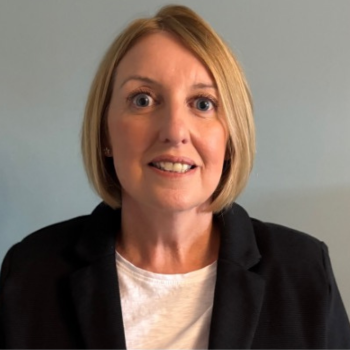


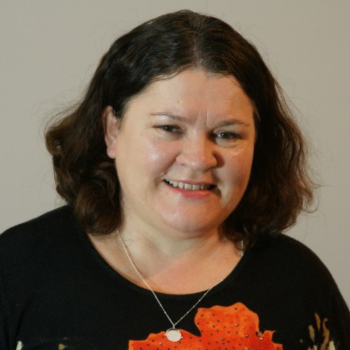
Breege
Gilbride
Deputy Divisional Director of Nursing for Outpatients and Patient Access
Imperial College Healthcare NHS Trust
Read biography
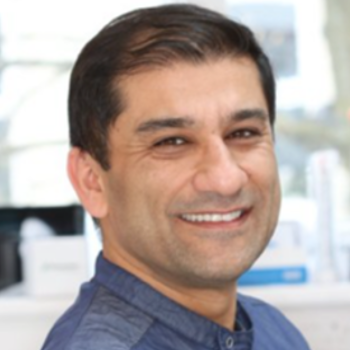
Dr N. Tony.
Ahmed
Chair, Local Dental Network Shropshire and Staffordshire
NHS Birmingham and Solihull ICB
Read biography

Erica
White
Programme Director, Digital Enablement for Outpatient Transformation
Mid and South Essex NHSFT
Read biography
Markus Gwiggner PhD
MRCP
Consultant Gastroenterologist
University Hospital Southampton NHS Foundation Trust
Read biography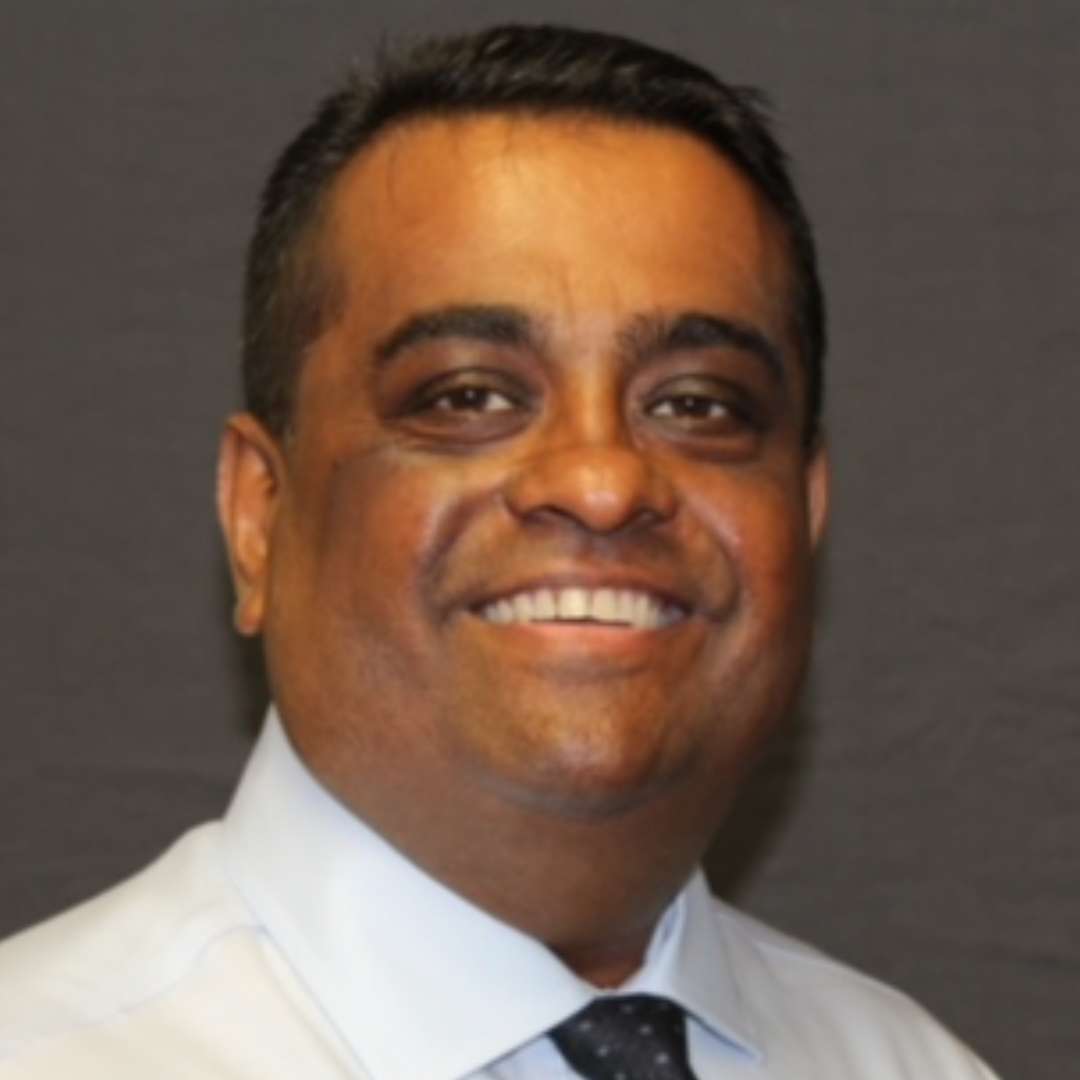
Mr Anil Vara, Bsc (Hons), Msc, MBA, CMgr,
FCMI
Head of Elective Care
Doncaster and Bassetlaw Teaching NHS Foundation Trust
Read biography

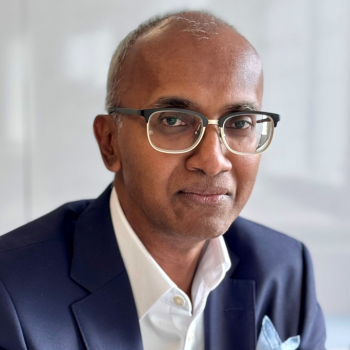
Ramesh
Rajah
Assistant Director of Programmes for Digital Elective
NHS England – East of England Region
Read biography
The programme
Registration & Networking
Registration & Networking
Chair Opening Address (Confirmed)
Chair Opening Address (Confirmed)
Presentation - Scaling Digital, Driving Elective Recovery on a regional footprint (Confirmed)
This presentation highlights how digital solutions are transforming elective improvement and explores how the NHSE East of England regional team is supporting collaboration, shared learning and scalable approaches to improving patient outcomes and elective care recovery.
Empowering Patients and Enhancing Accessibility: Personalising the Outpatient Experience panel discussion
This panel will explore innovative strategies to place patients at the centre of outpatient care by enhancing choice, flexibility, and access. Panellists will share practical insights on implementing self-booking systems for follow-up appointments, integrating teleconsultation pathways, and tackling key barriers to attendance—such as digital exclusion, transport challenges, and language needs.
Drawing on case studies and frontline experience, the discussion will highlight how these interventions contribute to a more personalised, efficient, and equitable outpatient experience. Attendees will gain actionable ideas for designing services that empower patients, reduce DNAs, and improve engagement across diverse communities.
Panellists:
- Henry ST Aubyn Bilton, Harrogate and District NHS Foundation Trust (Confirmed)
-
Becky O’Shaughnessy, Deputy Operations Manager, Cambridge University Hospitals (Confirmed)
-
Breege Gilbride, Deputy Divisional Director of Nursing for Outpatients and Patient Access, Imperial College Healthcare NHS Trust (Confirmed)
Headline Sponsor - PENTAX Medical
Headline Sponsor - PENTAX Medical
Morning Break & Networking
Morning Break & Networking
Chair Morning Reflection (Confirmed)
Chair Morning Reflection (Confirmed)
Case Study - Unblock the dental care pathway: How to cut inefficiencies, increase successful referrals and improve health outcomes
Case Study - NEC Software
NHS dentistry faces mounting pressures. Around one in four patients report being unable to see an NHS dentist when they need to, and when access is delayed, conditions often become more complex and require specialist treatment. Bottlenecks in referral pathways add to the challenge, creating administrative burdens for dentists, confusion around referral criteria, and longer waits for patients.
In this session, David East, Director of NEC Rego, and Dr Tony Ahmed, Chair of the Shropshire and Staffordshire Local Dental Network, will show how the region has tackled these challenges. By introducing NEC Rego across more than 220 practices, referral times have been cut from weeks to minutes, patients are routed to the right service first time, and communication between dentists, specialists and commissioners has improved. Building on this experience, they will also share wider strategies to reduce delays, strengthen collaboration, and use data more effectively to align service provision with demand.
Case Study - Digital Innovation in IBD/Gastroenterology - University Hospital Southampton
Case Study - University Hospitals Southampton
University Hospital Southampton (UHS) has transformed gastroenterology and IBD care through in-house digital innovation, using My Medical Record (MyMR) and electronic referral grading to enable rapid triage, direct-to-test pathways, and data-driven management. Over 80% of IBD patients use MyMR for remote follow-up, with integrated home testing improving outcomes and efficiency.

Keynote Presentation - Belfast Trust’s Outpatient Modernisation Journey (Confirmed)
Our Outpatient modernisation journey so far, work undertaken and future plans.
Case Study - A patient-centred approach: Delivering faster, safer, and more compassionate care
Case Study - HBSUK
Join Professor Ted Adams and Ben Naylor as they explore how clinically led digital pathways are radically transforming NHS efficiency and productivity. This isn’t just theory; it’s a proven, scalable model that’s delivering tangible results that directly benefit patients without requiring additional funding or workforce.
Discover how we've achieved a 47% reduction in outpatient appointments, enabling faster, safer, and more convenient access to care for thousands of patients.
What you’ll learn: A deeper dive into patient wellbeing
This session offers an in-depth look at HBSUK’s digital outpatient platform and its impact on patient outcomes. You’ll gain insights into how our approach is reshaping care delivery across the NHS.
You’ll discover:
How patients get the right care, at the right time: Learn how digital triage and remote specialist assessments streamline patient flow. This means patients can avoid unnecessary hospital visits, travel costs, and time off work.
How we build patient trust and confidence: See the robust clinical governance that ensures patient safety and seamless continuity of care on every digital pathway. We ensure that even with a digital-first approach, patient safety is our highest priority.
How we’re changing lives, not just numbers: We’ll share frontline NHS case studies that show how rapid reductions in patient waitlists lead to faster diagnoses, improved clinical productivity, and better patient experiences.
Aligning with the NHS’s vision: Building a future where patients come first
Designed by clinicians for clinicians, our platform offers a safe, scalable solution for outpatient transformation. This session will show you how HBSUK’s digital approach delivers measurable impact, directly aligning with the NHS’s 10-Year Plan to shift care from hospital to community, analogue to digital, and sickness to prevention.
We’re not just streamlining processes, we’re helping to shape an NHS where care is more accessible, efficient, and compassionate for those who need it most.
Lunch & Networking
Lunch & Networking
Chair Afternoon Address (Confirmed)
Chair Afternoon Address (Confirmed)
Presentation - From Missed Appointments to Maximised Capacity: Using AI to Reduce Outpatient DNAs and Improve Equity (Confirmed)
Missed appointments and late cancellations cost the NHS millions each year, lengthen waiting lists, and widen health inequalities. To tackle this, At Mid and South Essex NHS Foundation Trust, we partnered with Deep Medical to pilot and then scale an AI-driven approach that predicts risk of non-attendance, enables proactive scheduling and supports automation of booking activity.
This case study will share the journey from pilot to scale, the operational and equity impact achieved, and how transport poverty pilots and automation are shaping the next phase. It will also highlight the national potential — with 8 million DNAs across the NHS each year, this model offers a blueprint for improving productivity, reducing waits, and ensuring patients are seen sooner.
Keynote Presentation - Pathway Redesign and Transformation: Exploring Innovative Models of Care and Redesigning Outpatient Pathways to Support Efficiency and Sustainability in Service Delivery (Confirmed)
Synopsis TBC
Innovative Technologies in Outpatient Care panel discussion
This session explores how new technologies are helping reduce unnecessary outpatient attendances, enhance patient engagement, and support the NHS Long Term Plan. Panellists will share practical examples of digital tools—from virtual clinics to remote monitoring—and discuss how innovation can improve efficiency, personalise care, and make outpatient services more sustainable. The panel will also touch on challenges in adoption and the importance of maintaining a human-centred approach.
Panellists:
-
Alison Johnson, UK Health Lead, ORCHA (Confirmed)
- Becky O’Shaughnessy, Deputy Operations Manager, Cambridge University Hospitals (Confirmed)
-
Mr Henry St Aubyn Bilton, Urology Specialty Doctor, Harrogate District Foundation Trust (Confirmed)
-
Erica White, Programme Director, Digital Enablement for Outpatient Transformation, Mid and South Essex NHSFT (Confirmed)
- Breege Gilbride, Deputy Divisional Director of Nursing for Outpatients and Patient Access, Imperial College Healthcare NHS Trust (Confirmed)
Hot Buffet Food & Drinks
Hot Buffet Food & Drinks
End of Day
End of Day